Industrial Welding Equipment: A Complete Guide to Types, Uses, and Safety
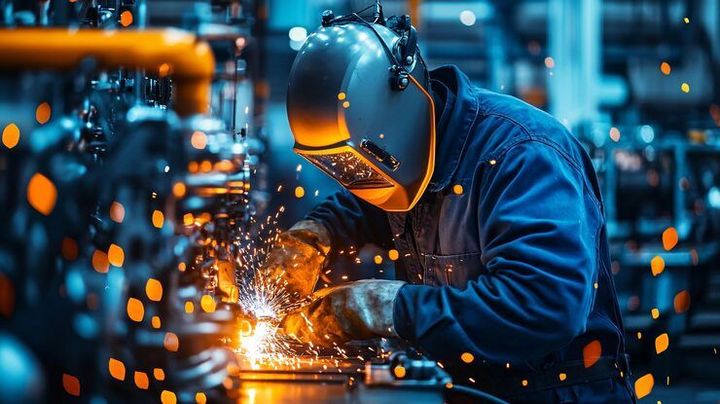
Industrial welding equipment refers to the machines, tools, and accessories used to join metals or thermoplastics through heat, pressure, or both. Welding is widely used in manufacturing, construction, automotive, aerospace, and infrastructure projects. These tools are designed to create strong, durable joints that can withstand stress, temperature changes, and environmental conditions.
The concept of welding exists because industries need reliable methods to assemble structures and components efficiently. From bridges and pipelines to machinery and vehicles, welding plays a key role in building modern infrastructure. Over time, welding technology has evolved from basic flame welding to advanced automated and robotic systems.
Common Types of Industrial Welding Equipment
- Arc Welding Machines
- MIG (Metal Inert Gas) Welders
- TIG (Tungsten Inert Gas) Welders
- Spot Welding Machines
- Plasma Cutting Systems
- Welding Electrodes and Consumables
Each type serves a specific purpose depending on material, thickness, and application.
Why Industrial Welding Equipment Matters Today
Industrial welding equipment is essential for productivity, safety, and quality across multiple sectors. It directly impacts the structural integrity of buildings and the reliability of manufactured products.
Key Benefits
- Supports Industrial Growth: Essential for assembly and fabrication in manufacturing
- Ensures Structural Safety: Prevents failures in bridges, pipelines, and machinery
- Improves Efficiency: Modern equipment increases speed and precision
- Reduces Material Waste: Advanced techniques minimize errors and rework
This topic is relevant to engineers, technicians, manufacturers, construction professionals, and policymakers, addressing problems such as weak joints, inefficient production, and safety hazards.
Comparison Table: Common Welding Types
| Welding Type | Method Used | Common Application | Skill Level Required |
|---|---|---|---|
| MIG Welding | Electric arc + gas | Automotive, fabrication | Moderate |
| TIG Welding | Tungsten electrode | Aerospace, precision work | High |
| Arc Welding | Electric current | Construction, heavy industry | Basic to Moderate |
| Spot Welding | Pressure + current | Sheet metal, electronics | Low |
Recent Updates and Trends in Welding Equipment (2024–2025)
Industrial welding has seen significant advancements driven by automation, sustainability, and digital technologies.
Key Trends
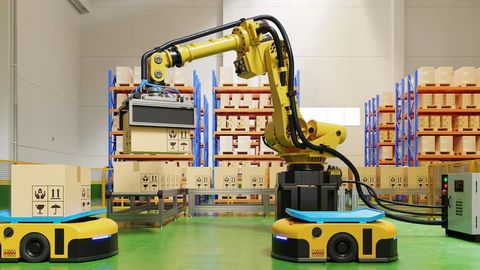
- Rise of Robotic Welding Systems (2024): Improves consistency and reduces human error
- Integration with IoT (2025): Enables real-time monitoring and predictive maintenance
- Energy-Efficient Machines: Reduce power consumption while maintaining performance
- Advanced Safety Features: Automatic shut-off, temperature monitoring, and improved insulation
- Growth in Laser Welding Technology: Increasing use for precision applications in electronics and medical devices
These updates reflect a shift toward smarter, safer, and more efficient welding solutions.
Laws, Standards, and Safety Regulations
Industrial welding equipment is subject to strict safety and quality regulations to protect workers and ensure reliable outcomes.
Key Regulatory Bodies in India
- Bureau of Indian Standards (BIS): Safety and equipment standards
- Directorate General Factory Advice Service & Labour Institutes (DGFASLI): Industrial safety guidance
- Occupational Safety, Health and Working Conditions Code (2020): Workplace safety requirements
Important Regulatory Aspects
- Proper use of personal protective equipment (PPE)
- Adequate ventilation to avoid harmful fumes
- Equipment maintenance and inspection standards
- Electrical safety guidelines
Global standards such as ISO and ANSI also influence welding practices, particularly in export-oriented industries.
Tools and Resources for Industrial Welding
Professionals can use a variety of tools to enhance efficiency, accuracy, and safety in welding operations.
Common Tools
- Welding Parameter Calculators: Adjust voltage, current, and speed
- CAD Software: Design welded structures
- Simulation Tools: Test weld quality virtually before execution
- Online Training Platforms: Learn welding techniques
- Maintenance Tracking Systems: Monitor equipment performance
Tool Overview
| Tool Type | Purpose |
|---|---|
| Simulation Software | Test weld designs virtually |
| Measurement Tools | Ensure precision and alignment |
| Safety Gear | Protect against heat, sparks, fumes |
| Monitoring Systems | Track machine performance |
These resources help maintain quality, reduce operational risks, and improve overall efficiency.
Frequently Asked Questions
What is the most commonly used welding method?
MIG welding is widely used due to its versatility and ease of operation.
How do I choose the right welding equipment?
Selection depends on material type, thickness, required precision, and production scale.
Is welding equipment safe to use?
Yes, when proper safety measures are followed, including PPE, ventilation, and training.
What are the main risks associated with welding?
Common risks include burns, electric shock, and exposure to harmful fumes.
How often should welding equipment be maintained?
Regular inspection and maintenance are recommended to ensure safety and consistent performance.
Conclusion
Industrial welding equipment is crucial for modern industries, enabling strong and reliable connections across materials and structures. From basic arc welding machines to advanced robotic systems, these tools have evolved to meet growing industrial demands.
Understanding types, importance, regulations, and recent trends helps professionals make informed decisions and maintain high standards of safety and quality. As technology continues to advance, welding equipment is expected to become more efficient, automated, and environmentally friendly, supporting the future of industrial development.