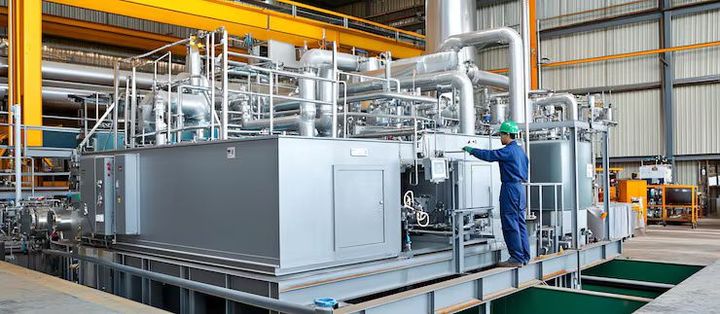
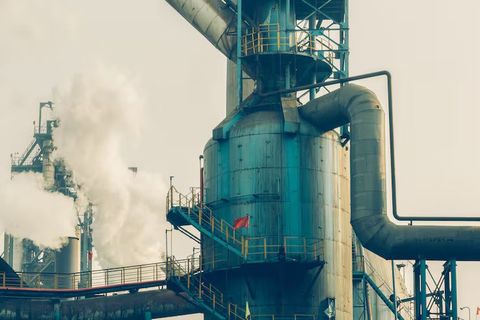
Unlike domestic refrigeration, industrial systems are designed for continuous operation and high capacity. They use specialized refrigerants, compressors, evaporators, and condensers to manage temperature across large facilities or complex production lines. These systems are essential because many industrial processes generate heat or require strict temperature control.
With rising global demand for preserved food and temperature-sensitive goods, industrial refrigeration plants have become a backbone of modern supply chains. They help maintain product quality from manufacturing to final distribution.
Why Industrial Refrigeration Matters Today
Industrial refrigeration plays a vital role across multiple industries. It ensures product safety, quality, and efficiency in temperature-sensitive environments.
Key Industries That Depend on It
-
Food Industry: Prevents spoilage and extends shelf life of perishable goods
-
Pharmaceuticals: Maintains precise temperatures for vaccines and medicines
-
Chemical Processing: Controls temperature-sensitive reactions
-
Logistics and Cold Chains: Supports safe transport of temperature-sensitive items
The importance of these systems has grown due to urbanization and expanding global trade. Cold storage and refrigerated logistics are essential for reducing food waste and improving food security.
Problems Solved by Industrial Refrigeration
-
Temperature fluctuations during storage and transportation
-
Product degradation due to heat exposure
-
Inefficiencies in temperature-dependent manufacturing processes
Recent Updates and Trends in Industrial Refrigeration (2025–2026)
The industrial refrigeration sector has seen significant advancements in recent years. These developments focus on sustainability, efficiency, and smarter system management.
Key Trends
-
Shift Toward Natural Refrigerants (2025): Increased adoption of ammonia (NH₃) and carbon dioxide (CO₂) systems due to environmental concerns
-
Energy Efficiency Improvements (2025): Advanced compressors and variable speed drives reducing power consumption
-
Smart Monitoring Systems (2026): Integration of IoT sensors and AI for real-time performance tracking
-
Sustainability Initiatives (2025): Upgrading older systems to align with carbon reduction goals
-
Modular Refrigeration Plants (2026): Prefabricated units enabling faster deployment and scalability
These trends reflect a broader shift toward environmentally responsible and energy-efficient cooling solutions.
Laws and Policies Affecting Industrial Refrigeration
Industrial refrigeration systems are governed by environmental and safety regulations. These policies aim to ensure safe operation while reducing environmental impact.
Key Regulatory Areas
-
Environmental Regulations: Reduction of hydrofluorocarbons (HFCs) under global agreements like the Kigali Amendment
-
Energy Efficiency Standards: Government initiatives encouraging reduced energy consumption
-
Safety Standards: Guidelines for handling refrigerants such as ammonia, including ventilation and monitoring requirements
-
Bureau of Energy Efficiency (BEE): Promotes energy-saving technologies and best practices
These regulations guide industries toward safer and more sustainable refrigeration practices.
Tools and Resources for Industrial Refrigeration
Various tools and technologies support the efficient design, operation, and maintenance of industrial refrigeration systems. They help improve performance, reduce costs, and ensure system reliability.
Common Tools
-
Energy Efficiency Calculators: Estimate power usage and identify optimization opportunities
-
Refrigeration Load Calculators: Determine cooling requirements accurately
-
Monitoring Software: Tracks temperature, pressure, and system health in real time
-
Design Software: Assists in planning and simulation of systems
-
Industry Standards Documentation: Provides installation and maintenance guidelines
Example Table: Common Tools and Their Uses
| Tool Type | Purpose | Benefit |
|---|
| Load Calculator | Estimate cooling demand | Accurate system sizing |
| Energy Monitoring Software | Track energy usage | Cost and energy optimization |
| IoT Sensors | Real-time system monitoring | Improved reliability |
| Simulation Software | Design and test configurations | Reduced design errors |
Frequently Asked Questions
What are the main components of an industrial refrigeration plant?
The main components include compressors, condensers, evaporators, expansion valves, and refrigerants. These components work together to transfer heat and maintain the desired temperature.
Which refrigerants are commonly used?
Common refrigerants include ammonia (NH₃), carbon dioxide (CO₂), and hydrofluorocarbons (HFCs). Natural refrigerants are increasingly preferred due to their lower environmental impact.
How is energy efficiency improved in these systems?
Energy efficiency can be improved through advanced compressors, proper insulation, variable speed drives, and regular maintenance. Smart monitoring systems also help optimize performance.
What industries rely most on industrial refrigeration?
Industries such as food processing, pharmaceuticals, chemical manufacturing, and cold storage depend heavily on these systems for maintaining product quality and safety.
Are there environmental concerns with refrigeration systems?
Yes, certain refrigerants contribute to global warming. This has led to a shift toward eco-friendly alternatives and more energy-efficient technologies.
Conclusion
Industrial refrigeration plants are essential for maintaining controlled temperatures across various industries. They support food preservation, healthcare systems, and efficient manufacturing processes.
Recent advancements have focused on sustainability, energy efficiency, and smart technologies. At the same time, regulations are guiding industries toward safer and more environmentally responsible practices.
Understanding these systems and available tools helps businesses make informed decisions. As technology evolves, industrial refrigeration will continue to play a critical role in global infrastructure.