Turkish Bazaar Shopping Routes: Explore Historic Markets and Cultural Trade Paths
Turkish bazaar shopping routes refer to the traditional pathways and market districts that connect historic marketplaces across cities in Turkey. These routes developed over centuries as trade expanded across regions such as the Middle East, Europe, and Asia. Merchants, travelers, and local residents moved along these routes to exchange goods, culture, and ideas.
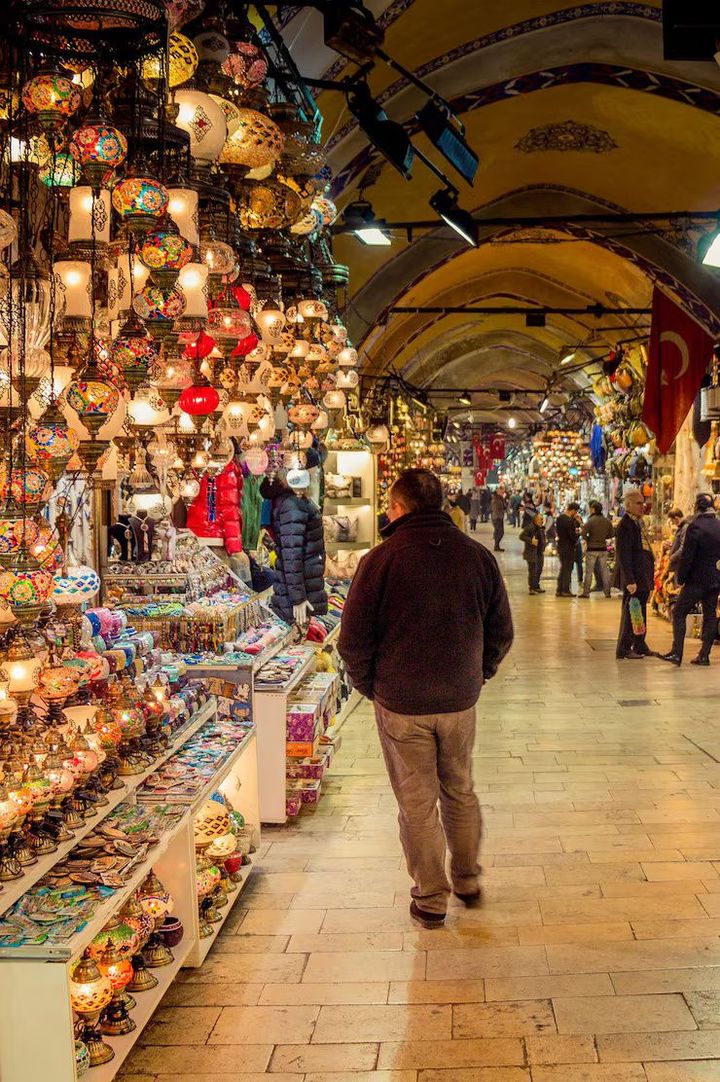
One of the most well-known examples of Turkish market culture is the Grand Bazaar. Established in the 15th century, it features thousands of shops arranged along covered streets. Similar bazaar systems can also be found in cities like Izmir, Bursa, and Gaziantep.
A bazaar route is more than a single marketplace. It typically includes interconnected streets with specialized stalls, workshops, food areas, and cultural spaces, often influenced by historic trade networks such as the Silk Road.
Key Features of Turkish Bazaar Routes
- Covered Streets: Protect visitors from weather conditions
- Specialized Sections: Areas dedicated to crafts like textiles, metals, or spices
- Architectural Elements: Courtyards, fountains, and historic buildings
- Social Spaces: Tea houses and rest areas for visitors and locals
These features create a structured environment that supports both commerce and cultural interaction.
Why Turkish Bazaar Shopping Routes Matter Today
Turkish bazaars remain central to cultural tourism and local economies. Despite the growth of modern retail and e-commerce, these traditional markets continue to attract millions of visitors.
Cultural Preservation
Bazaars act as living heritage sites. They preserve traditional crafts such as carpet weaving, ceramics, and metalwork, offering insight into centuries-old practices.
Urban Tourism
Historic markets are key attractions in cities like Istanbul. Visitors often follow walking routes that connect bazaars with mosques, museums, and local food areas.
Support for Small Businesses
Many stalls are family-run, maintaining artisanal production methods. These businesses contribute to local economies and preserve traditional skills.
Community Spaces
Bazaars serve as social hubs where people gather, shop, and interact. They combine commerce with everyday life in a way modern malls often do not.
Major Bazaar Districts in Turkey
| Bazaar District | City | Known For |
|---|---|---|
| Grand Bazaar | Istanbul | Historic covered market streets |
| Spice Bazaar | Istanbul | Spices, dried fruits, herbs |
| Kemeralti Bazaar | Izmir | Large open market network |
| Koza Han | Bursa | Silk trading heritage |
| Bakırcılar Çarşısı | Gaziantep | Copper craftsmanship |
These districts highlight the diversity and cultural significance of bazaar routes across Turkey.
Recent Trends and Developments
In recent years (2024–2025), several trends have shaped how visitors experience Turkish bazaars.
Key Trends
- Digital Navigation: Apps like Google Maps and Tripadvisor provide detailed walking routes.
- Heritage Restoration: Renovation projects in Istanbul and Izmir preserve historic structures.
- Cultural Tourism Growth: Increased interest in authentic travel experiences.
- Virtual Tours: Online guides and digital storytelling enhance pre-visit learning.
Tourism Interest Trends
| Year | Cultural Market Tourism Interest |
|---|---|
| 2022 | Medium |
| 2023 | High |
| 2024 | Very High |
| 2025 | Continuing Growth |
These trends reflect a growing global preference for cultural and historical exploration.
Laws, Regulations, and Cultural Protection Policies
Historic bazaars in Turkey are protected by national and international regulations. These policies ensure preservation and safe tourism.
Key Regulatory Areas
- Historic Preservation: Buildings require approval for modifications
- Municipal Management: Cities oversee maintenance and visitor safety
- Cultural Programs: Collaboration with organizations like UNESCO
- Tourism Policies: Promote sustainable tourism and protect heritage
These frameworks help maintain the authenticity and structural integrity of bazaar districts.
Tools and Resources for Exploring Bazaar Routes
Modern tools make it easier to navigate and understand these complex market systems.
Useful Tools
- Navigation Apps: Google Maps, Citymapper for directions
- Travel Platforms: Tripadvisor and guidebooks for reviews and insights
- Translation Tools: Google Translate for communication
- Cultural Resources: Online archives and tourism board publications
These resources help visitors plan their routes and gain deeper insights into bazaar history.
Frequently Asked Questions
What is a Turkish bazaar?
A Turkish bazaar is a traditional marketplace made up of interconnected streets or covered corridors. It includes shops, workshops, and food vendors, forming a vibrant cultural space.
What is the most famous bazaar in Turkey?
The Grand Bazaar is the most famous. It is one of the largest and oldest covered markets in the world.
How old are Turkish bazaars?
Many bazaars are several centuries old. For example, the Grand Bazaar dates back to the 15th century during the Ottoman era.
Are bazaar routes easy to navigate?
Large bazaars can be complex due to multiple streets and entrances. However, modern apps and maps make navigation easier.
What products are commonly found in bazaars?
- Carpets and textiles
- Ceramics and pottery
- Metal and copper crafts
- Spices and dried foods
- Jewelry and decorative items
These products reflect regional traditions and historical trade practices.
Conclusion
Turkish bazaar shopping routes represent centuries of trade, culture, and urban life. They evolved along historic trade networks and became vibrant centers of commerce and community interaction.
Today, bazaars in cities like Istanbul, Izmir, and Bursa continue to attract visitors interested in history, architecture, and traditional crafts. Modern tools, restoration efforts, and tourism initiatives have made these routes more accessible while preserving their heritage.
For travelers and cultural enthusiasts, Turkish bazaars offer a unique opportunity to experience the connection between history, craftsmanship, and everyday life.