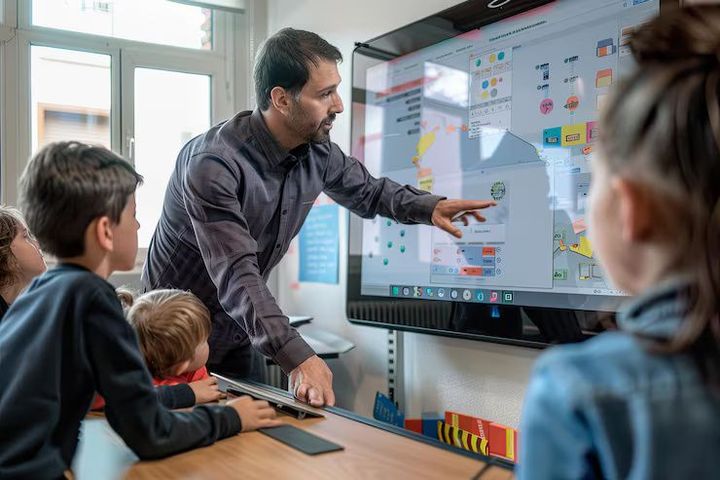
Multisensory Learning Strategy Setup: Explore Techniques and Learning Insights
A multisensory learning strategy setup is an educational approach that engages multiple senses—such as sight, sound, touch, and movement—to improve how information is absorbed and retained. Instead of relying only on reading or listening, this method integrates visual aids, audio input, hands-on activities, and physical interaction.
Multisensory learning exists because individuals process information differently. Some learners respond better to visual content, while others benefit from auditory or kinesthetic experiences. By combining multiple sensory channels, this approach creates a more inclusive and effective learning environment.
In practical terms, it can include diagrams, videos, physical models, interactive tools, and even gestures or movement during lessons. This strategy is widely used in classrooms, professional training, and digital education platforms.
Importance: Why Multisensory Learning Matters Today
Relevance in Modern Learning
Multisensory learning strategies have gained importance due to changes in how people consume and process information in the digital age. With increased exposure to multimedia content, learners expect more engaging and interactive experiences.
Key groups that benefit include:
- Students with diverse learning styles
- Individuals with learning differences, such as dyslexia
- Professionals in training and skill development programs
- Learners in digital and remote environments
Problems Addressed by Multisensory Learning
This approach helps solve several challenges in traditional learning:
- Low attention span in conventional classroom setups
- Difficulty in retaining complex information
- Lack of engagement in passive learning methods
Key Benefits Table
| Aspect | Traditional Learning | Multisensory Learning |
|---|---|---|
| Engagement | Moderate | High |
| Retention Rate | Lower | Higher |
| Accessibility | Limited | Inclusive |
| Adaptability | Fixed | Flexible |
By activating multiple areas of the brain simultaneously, multisensory learning improves comprehension and long-term memory. It also helps learners connect theoretical knowledge with real-world applications.
Recent Updates: Trends and Developments (2024–2025)
Technological Advancements
Recent trends in multisensory learning include:
- 2024: Increased use of AI-driven adaptive learning platforms that personalize content based on user behavior
- 2024: Growth of immersive tools like augmented reality (AR) and virtual reality (VR)
- Early 2025: Expansion of hybrid classrooms combining physical and digital sensory experiences
- 2025: Emphasis on neuroeducation research highlighting how multisensory input strengthens neural pathways
Another notable trend is gamification, where learners interact through simulations, quizzes, and real-time feedback, enhancing engagement and motivation.
Laws or Policies: Regulatory and Educational Framework
Multisensory learning strategies are shaped by educational policies and accessibility standards worldwide.
In India, key frameworks include:
- National Education Policy (NEP) 2020: Encourages experiential and holistic learning, including sensory-based approaches
- Right to Education (RTE) Act: Promotes inclusive education for all learners
- Digital India Initiative: Supports the integration of technology in education
Globally, inclusive education standards and accessibility guidelines encourage institutions to adopt teaching practices catering to varied cognitive needs.
Tools and Resources: Supporting Multisensory Learning
A variety of tools help implement multisensory learning effectively.
Digital Tools and Platforms
- Interactive learning platforms with multimedia content
- Simulation-based learning environments
- Educational video libraries and audio resources
Practical Learning Aids
- Flashcards with images and textures
- Physical models and manipulatives
- Whiteboards and visual mapping tools
Technology-Based Resources
- AR and VR learning applications
- Speech-to-text and text-to-speech tools
- Gamified learning apps
Example Resource Table
| Tool Type | Purpose | Sensory Engagement |
|---|---|---|
| Videos | Visual + Auditory learning | Sight, Sound |
| Simulations | Interactive understanding | Sight, Touch |
| Flashcards | Memory reinforcement | Sight, Touch |
| Audio Lessons | Listening comprehension | Sound |
Selecting tools aligned with learning objectives and learner needs ensures maximum effectiveness.
FAQs: Common Questions About Multisensory Learning
What is a multisensory learning strategy?
It uses multiple senses—visual, auditory, and kinesthetic—to improve understanding and retention.
Who benefits the most?
Students, professionals, and individuals with learning differences or attention challenges gain the most.
Can it be used in digital environments?
Yes, many platforms incorporate videos, interactive exercises, and simulations for a multisensory experience.
Is this method suitable for all subjects?
Most subjects benefit, especially those requiring conceptual understanding or practical application.
How can beginners start implementing it?
Start with simple elements like visuals, audio explanations, and hands-on activities, then gradually integrate advanced tools.
Conclusion
Multisensory learning represents a shift toward more engaging, inclusive, and effective education. By combining different sensory inputs, it enhances comprehension, retention, and overall learning experience.
With support from modern technology, evolving educational policies, and growing awareness of diverse learning needs, this approach is increasingly relevant. Whether in classrooms, training programs, or digital platforms, multisensory learning offers a practical framework to improve how people learn and interact with information.