Industrial Fire Protection Guide: Systems, Safety Standards, and Risk Management
Industrial fire protection refers to the systems, strategies, and practices used to prevent, detect, and control fires in industrial environments such as factories, warehouses, power plants, and manufacturing units. These environments often deal with flammable materials, heavy machinery, and complex processes, making fire risks significantly higher compared to residential or commercial spaces.
This concept exists to safeguard human life, protect valuable assets, and ensure business continuity. It combines engineering controls, safety protocols, fire detection systems, and emergency response planning.
Common components include fire alarms, sprinklers, suppression systems, fire-resistant materials, and trained personnel. Industrial fire protection focuses heavily on prevention, early detection, and minimizing damage through well-designed systems and procedures.
Why Industrial Fire Protection Matters Today
Industrial fire protection is critical due to increasing automation, energy consumption, and complex production processes. As industries expand and adopt advanced technologies, the potential risks associated with fire hazards also grow.
Key Reasons
- Worker Safety: Protects employees from injuries, fatalities, and hazardous exposure.
- Asset Protection: Prevents damage to expensive machinery, infrastructure, and inventory.
- Operational Continuity: Reduces downtime caused by fire incidents.
- Environmental Protection: Prevents release of harmful chemicals and pollutants during fires.
- Regulatory Compliance: Ensures industries meet safety standards and avoid penalties.
Industries such as oil and gas, chemicals, power generation, and manufacturing are especially dependent on robust fire protection systems. Without proper safeguards, even a small fire can escalate into a major disaster.
Recent Updates and Trends (2024–2026)
Industrial fire protection has seen several advancements and regulatory updates, driven by technology and increased safety awareness.
Key Developments
- 2025 – Smart Fire Detection Systems: IoT-based sensors and AI analytics improve early detection by monitoring temperature, smoke, and gas levels in real time.
- 2024 – Lithium-Ion Battery Safety: New strategies address complex battery fires from EVs and storage facilities.
- 2025 – Automation in Fire Suppression: Automated suppression systems reduce reliance on manual intervention.
- 2026 – Digital Twin Technology: Virtual simulations improve emergency preparedness and scenario planning.
- Sustainability Trends: Adoption of eco-friendly suppression agents that minimize environmental impact.
These updates reflect a shift toward smarter, faster, and more efficient fire protection systems.
Laws, Regulations, and Policies
Industrial fire protection is governed by national and international standards. Compliance ensures safety, legal adherence, and operational credibility.
Key Regulations in India
- National Building Code (NBC): Guidelines for fire safety in industrial buildings.
- Factories Act, 1948: Mandates fire prevention and emergency preparedness in factories.
- Bureau of Indian Standards (BIS): Defines standards for fire equipment and systems.
- State Fire Safety Regulations: Local rules enforced by state fire departments.
- Environmental Regulations: Govern the use of fire suppression chemicals and emissions.
Global Standards
- NFPA Codes: National Fire Protection Association standards for fire safety.
- ISO Safety Standards: International guidelines for industrial fire protection.
Tools and Resources for Industrial Fire Protection
A wide range of tools and resources support effective fire protection in industrial environments.
Common Tools and Systems
- Fire detection systems (smoke detectors, heat sensors)
- Fire suppression systems (sprinklers, gas-based systems)
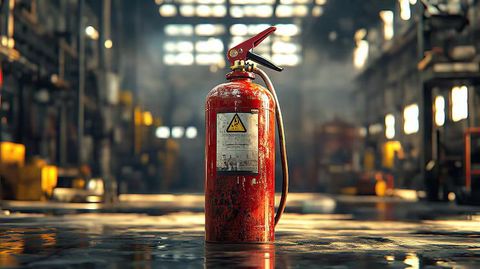
- Fire extinguishers (classified by fire type)
- Emergency alarm systems
- Fire-resistant building materials
Digital Tools and Software
- Fire risk assessment software
- Safety management platforms
- Incident reporting systems
- Maintenance tracking tools
Helpful Resources
- Government fire safety portals
- Industrial safety guidelines and manuals
- Training programs for fire safety personnel
- Compliance checklists and audit templates
Example Table: Types of Fire Protection Systems
| System Type | Function | Common Use Case |
|---|---|---|
| Sprinkler System | Automatic water discharge | Warehouses, factories |
| Gas Suppression System | Uses inert gases to stop fire | Data centers, control rooms |
| Foam System | Covers fire with foam | Oil and chemical industries |
| Fire Alarm System | Alerts occupants | All industrial facilities |
Frequently Asked Questions
What are the main types of industrial fire protection systems?
They include detection systems (smoke and heat sensors), suppression systems (sprinklers, gas-based systems), and passive systems (fire-resistant walls and materials).
How often should fire safety systems be inspected?
Inspections are typically required monthly, quarterly, and annually, depending on the system and local regulations. Maintenance ensures proper functioning during emergencies.
What causes most industrial fires?
Common causes include electrical faults, flammable material handling, equipment overheating, human error, and lack of maintenance.
Are fire drills necessary in industrial settings?
Yes, drills train employees, test emergency plans, and ensure safe and quick evacuation during real incidents.
What is the role of automation in fire protection?
Automation improves response time by detecting and suppressing fires quickly without human intervention, reducing damage and risk.
Conclusion
Industrial fire protection is a vital component of modern industrial operations. It combines technology, safety practices, and regulatory compliance to prevent and control fire hazards effectively.
Recent developments such as smart detection systems, automation, and sustainable suppression methods are shaping the future of fire safety. Strict laws and standards ensure industries maintain high preparedness levels.
By adopting proper tools, following regulations, and investing in training and technology, industries can create safer workplaces, protect valuable assets, and ensure long-term operational stability.