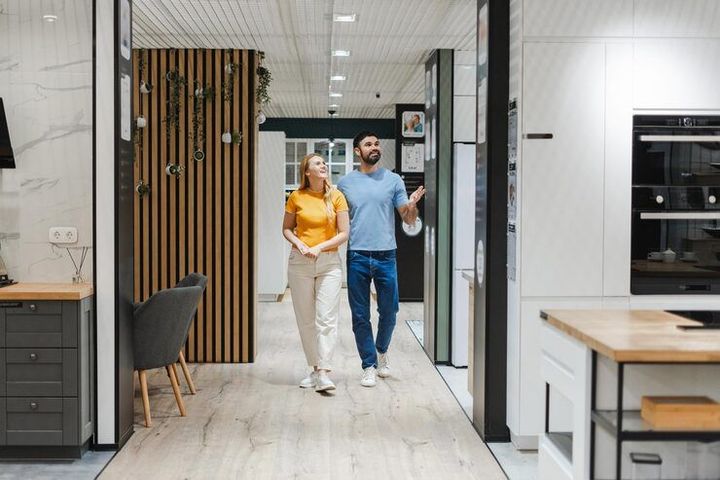
Modern Home Improvement Guide to Renovating Kitchens, Bathrooms, and Living Spaces
Modern home improvement is no longer focused only on changing the appearance of a property.
Today, homeowners often renovate to create spaces that are more functional, comfortable, energy-conscious, and adaptable to changing lifestyles. A thoughtfully planned renovation can improve how a home supports everyday routines while creating a cohesive environment that reflects personal preferences.
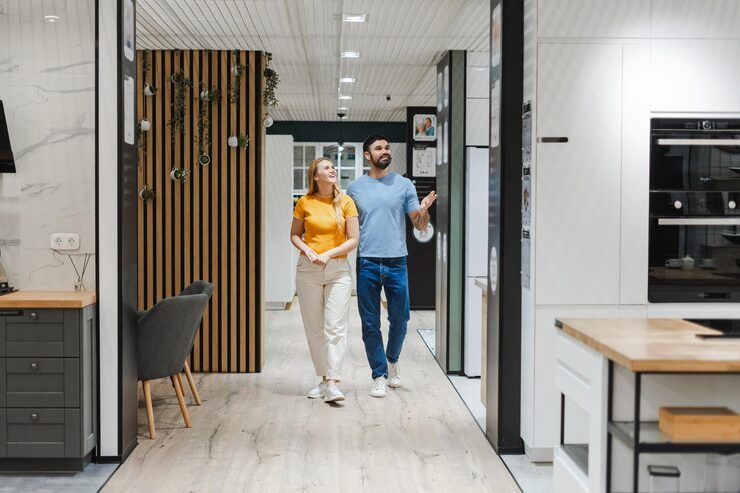
Kitchens, bathrooms, and living spaces are often the main focus of modern home remodeling because they have a direct impact on daily life. Each area serves a different purpose, so renovation decisions should balance aesthetics with practical requirements. From better storage and lighting to efficient layouts and durable materials, small improvements can make a significant difference when they are planned carefully.
This guide explores the fundamentals of modern home renovation, including ideas for key living areas, material selection, technology, sustainability, and planning considerations for creating a comfortable and contemporary home.
What Defines Modern Home Improvement?
Modern home improvement focuses on improving the way a home functions while creating a clean, comfortable, and visually balanced environment.
Several principles commonly shape modern renovation projects:
- Functional layouts
- Flexible living areas
- Efficient storage
- Natural lighting
- Energy-conscious systems
- Durable materials
- Simple design elements
- Smart home technology
- Improved indoor comfort
The goal is not necessarily to follow every current design trend. Instead, effective renovation combines contemporary features with practical decisions that remain useful over time.
Planning a Modern Home Renovation
A successful modern home renovation begins with a clear understanding of the existing property and the household's needs.
Before beginning, consider:
Identify Priorities
Determine which areas require the most attention. A kitchen may need better workflow, while a bathroom may require improved ventilation or accessibility. Living spaces may benefit from better lighting, storage, or flexible furniture arrangements.
Assess Existing Conditions
Review important building systems and structural elements before finalizing design decisions. Electrical wiring, plumbing, ventilation, insulation, windows, and flooring can all influence renovation planning.
Think About Long-Term Use
Consider how the home may be used several years from now. Flexible layouts, accessible features, durable finishes, and adaptable rooms can make a renovation more practical for changing household needs.
Create a Consistent Design Direction
A cohesive color palette, flooring approach, and material selection can help connect different areas of the home without making every room look identical.
Modern Kitchen Remodeling Ideas
The kitchen is often one of the most active spaces in a home. Modern kitchen remodeling focuses on creating an efficient environment where cooking, dining, storage, and social activities can coexist comfortably.
Improve the Kitchen Layout
An efficient layout reduces unnecessary movement between food preparation, cooking, cleaning, and storage areas.
Consider the relationship between:
- Refrigerator
- Cooking area
- Sink
- Food preparation surfaces
- Storage cabinets
- Dining areas
The exact arrangement should reflect the size of the kitchen and the household's daily routines.
Create Better Storage
Modern kitchens often emphasize organized storage rather than simply increasing cabinet quantity.
Useful ideas include:
- Pull-out storage
- Deep drawers
- Pantry systems
- Vertical shelving
- Corner storage solutions
- Dedicated appliance spaces
Keeping frequently used items accessible can improve everyday convenience.
Improve Lighting
Layered lighting can make a kitchen more functional and comfortable.
A modern approach may combine general ceiling lighting with task lighting beneath cabinets and focused illumination over preparation areas.
Select Durable Materials
Kitchen surfaces experience frequent use, so materials should be chosen based on durability, maintenance requirements, moisture resistance, and overall design compatibility.
Modern Bathroom Renovation Ideas
Bathrooms combine practical requirements with personal comfort. Modern bathroom renovation often focuses on improving usability, storage, ventilation, and water efficiency.
Upgrade the Layout
Even a relatively small bathroom can feel more spacious when fixtures are positioned thoughtfully.
Consider:
- Clear walking paths
- Efficient fixture placement
- Accessible storage
- Door swing direction
- Shower space
- Natural and artificial lighting
Improve Storage
Built-in niches, vanity drawers, recessed cabinets, and wall-mounted storage can reduce clutter while preserving valuable floor space.
Focus on Ventilation
Effective ventilation helps manage moisture and supports better indoor air quality. Proper ventilation planning is particularly important in bathrooms where humidity levels can rise quickly.
Consider Water Efficiency
Modern fixtures may help reduce unnecessary water use while maintaining everyday functionality. Efficient showerheads, faucets, and toilets can contribute to responsible household resource management.
Add Accessibility Features
Features such as walk-in showers, grab bars, non-slip flooring, and appropriate fixture heights can make bathrooms more comfortable and adaptable for different users.
Modern Living Space Improvements
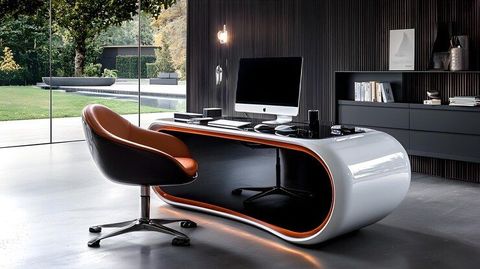
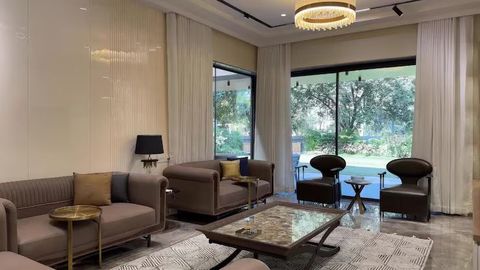
Living rooms and shared spaces often need to accommodate several activities, including relaxation, entertainment, reading, work, and social interaction.
Modern home improvement ideas for living areas include:
- Flexible furniture arrangements
- Built-in storage
- Multi-purpose furniture
- Improved natural lighting
- Layered artificial lighting
- Acoustic improvements
- Integrated technology
Rather than filling a room with furniture, modern design often emphasizes open circulation and purposeful placement.
Creating Flexible and Multi-Functional Spaces
Modern households increasingly use rooms for more than one purpose.
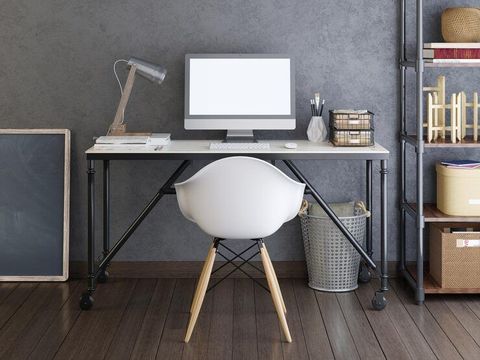
A living room may include a small work area, while a guest bedroom may also function as a home office. Flexible spaces can be created through:
- Sliding partitions
- Foldable furniture
- Modular storage
- Convertible desks
- Movable shelving
- Zoned lighting
This approach allows a home to adapt without requiring major structural changes whenever household needs evolve.
Comparing Renovation Priorities
| Area | Main Focus | Modern Improvement Ideas |
|---|---|---|
| Kitchen | Function and workflow | Better storage, lighting, efficient layouts |
| Bathroom | Comfort and usability | Improved ventilation, accessibility, water efficiency |
| Living Space | Flexibility | Multi-purpose furniture, open circulation, smart storage |
| Whole Home | Cohesion | Consistent materials, lighting, and design language |
The right renovation priorities depend on the property's condition and how each space is used.
Materials and Finishes for Modern Homes
Material selection plays an important role in both appearance and long-term performance.
When choosing materials, consider:
- Durability
- Maintenance requirements
- Moisture resistance
- Cleaning needs
- Environmental impact
- Visual consistency
- Compatibility with existing structures
Natural materials, engineered surfaces, recycled products, and durable composites can all have a place in modern design depending on the application.
The best material is not always the most visually striking option. Practical performance should be considered alongside appearance.
Smart Technology in Modern Home Remodeling
Technology is increasingly integrated into modern home remodeling projects.
Common applications include:
- Smart lighting
- Automated climate controls
- Security monitoring
- Smart doorbells
- Motorized window coverings
- Energy monitoring
- Connected appliances
Technology should be introduced where it provides genuine convenience or efficiency. A well-designed smart home does not need to automate every possible function.
Sustainability in Modern Home Renovation
Environmental considerations are becoming increasingly important in home improvement.
Sustainable renovation strategies may include:
- Improved insulation
- Energy-efficient windows
- LED lighting
- Water-saving fixtures
- Low-impact materials
- Efficient heating and cooling
- Reuse of existing materials where practical
Renovation also provides an opportunity to improve the building envelope, reduce energy waste, and enhance indoor comfort.
Luxury Home Renovation With Practical Purpose
Luxury home renovation does not necessarily mean adding excessive decoration. Modern luxury often focuses on craftsmanship, comfort, thoughtful details, and high-quality materials.
Examples may include:
- Custom storage
- High-quality natural surfaces
- Integrated lighting
- Bespoke cabinetry
- Spa-inspired bathrooms
- Flexible entertainment spaces
- Seamless indoor-outdoor connections
The defining characteristic of modern luxury is often the attention given to functionality and detail rather than visual excess.
Common Home Improvement Mistakes to Avoid
Several mistakes can reduce the effectiveness of a renovation.
Avoid:
- Starting without clear priorities
- Ignoring structural or system conditions
- Choosing trends over long-term functionality
- Underestimating storage requirements
- Poor lighting planning
- Overcrowding rooms
- Selecting materials without considering maintenance
- Making unrelated design decisions in different areas
A renovation should be viewed as a connected system where layout, lighting, materials, storage, and technology work together.
Frequently Asked Questions
What is modern home improvement?
Modern home improvement involves updating a home's functionality, comfort, efficiency, and appearance using contemporary design principles, materials, and technologies.
What are popular modern home remodeling ideas?
Popular ideas include flexible layouts, improved storage, layered lighting, energy-efficient systems, smart technology, durable materials, and multi-functional rooms.
How can I modernize a kitchen?
Modern kitchen remodeling often focuses on improving workflow, organizing storage, upgrading lighting, selecting durable surfaces, and creating practical preparation areas.
What should I consider when renovating a bathroom?
Important considerations include layout, ventilation, moisture management, storage, water efficiency, lighting, durability, and accessibility.
What makes a luxury home renovation feel modern?
Modern luxury typically emphasizes high-quality materials, thoughtful craftsmanship, integrated technology, personalized details, comfort, and functional design rather than excessive decoration.
Conclusion
Modern home improvement provides an opportunity to create living spaces that are more comfortable, practical, efficient, and adaptable. Whether the project involves a focused kitchen remodeling update, a bathroom transformation, improvements to shared living areas, or a complete modern home renovation, thoughtful planning remains the foundation of successful results.
The most effective approach is to balance appearance with everyday functionality. By considering storage, lighting, material durability, energy efficiency, technology, and future needs, homeowners can create spaces that feel contemporary without becoming dependent on short-lived trends. From practical home improvement ideas to carefully planned luxury home renovation projects, the goal remains the same: developing a home that works naturally for the people who live in it.