Walk-In Tubs and Senior Bathroom Remodeling Guide to Accessible Bathroom Design
A bathroom should be comfortable, practical, and easy to use at every stage of life.
As people age or experience changes in mobility, traditional bathrooms may become more difficult to navigate. Slippery floors, high bathtub walls, limited support, and narrow layouts can increase the challenge of performing everyday routines safely and independently. This is where thoughtful senior bathroom remodeling can make a meaningful difference.
Modern accessible bathroom design focuses on improving comfort, convenience, and ease of movement without sacrificing style. One of the most recognized accessibility features is the walk-in tub, which allows users to enter through a watertight door instead of stepping over the high wall of a conventional bathtub. Combined with other accessibility improvements, walk-in tubs can become part of a comprehensive bathroom renovation designed to support changing mobility needs.
This guide explains the basics of walk-in tubs, explores important accessibility features, discusses planning considerations, and highlights how senior bathroom remodeling can create a safer and more functional living environment.
Understanding Walk-In Tubs
Walk In Tubs are specially designed bathtubs that include a low-entry threshold and a sealed door, allowing users to enter the tub before filling it with water. After bathing, the water drains before the door is opened, helping reduce the need to climb over a high bathtub edge.
Unlike standard bathtubs, walk-in tubs prioritize accessibility while maintaining the comfort of a traditional soaking experience. They are commonly considered during home renovations that focus on aging in place or improving bathroom safety.
Many modern walk-in tubs include additional comfort and accessibility features that support a wide range of mobility needs.
Why Accessible Bathroom Design Matters
Bathrooms are among the most frequently used spaces in any home, and they often contain surfaces that become slippery when wet. Thoughtful design can help improve confidence, comfort, and independence during daily routines.
Accessible bathroom design may provide several benefits, including:
- Easier entry and exit
- Improved stability
- Better space utilization
- Enhanced comfort
- Greater independence
- Improved accessibility for changing mobility needs
- Long-term usability
While accessibility is often associated with older adults, many universal design features also improve convenience for people of all ages.
What Is Senior Bathroom Remodeling?
Senior Bathroom Remodeling involves modifying an existing bathroom to improve accessibility, safety, and functionality for individuals experiencing age-related mobility changes or physical limitations.
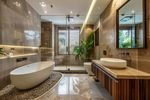
Rather than focusing only on appearance, these renovations prioritize practical design solutions that support everyday use while maintaining an attractive, modern aesthetic.
Common remodeling objectives include:
- Improving accessibility
- Increasing safety
- Simplifying movement
- Enhancing comfort
- Supporting independent living
- Modernizing outdated layouts
- Creating flexible spaces for future needs
The extent of remodeling depends on the existing bathroom layout and the specific needs of the household.
Key Features of Walk In Tub For Seniors
A Walk In Tub For Seniors often includes design elements intended to improve accessibility while maintaining ease of use.
Some common features include:
Low Step-In Threshold
One of the most recognizable features is the low entry height, reducing the need to step over a traditional bathtub wall.
Watertight Entry Door
The side-opening door allows users to enter the tub comfortably before filling it with water.
Built-In Seating
Many walk-in tubs include integrated seating that allows users to bathe while remaining in an upright, comfortable position.
Grab Bars
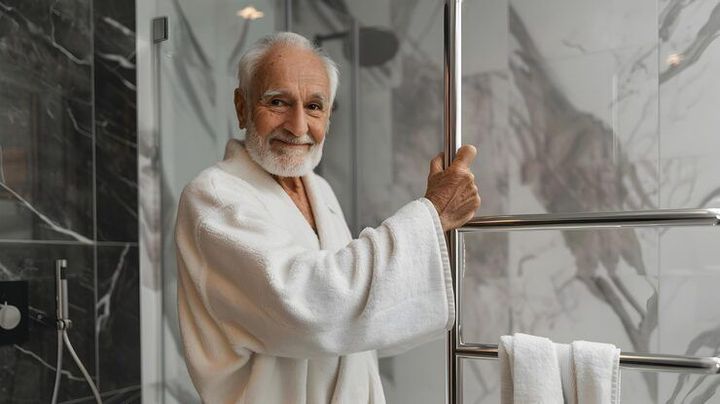
Strategically positioned grab bars provide additional support during entry, exit, and movement within the bathing area.
Slip-Resistant Surfaces
Textured flooring helps improve traction during use and contributes to overall bathroom safety.
Easy-to-Reach Controls
Accessible controls are often positioned for convenient operation while seated.
Walk In Tubs For Elderly: Supporting Independent Living
Many homeowners consider Walk In Tubs For Elderly family members as part of a broader strategy to support independent living at home.
Accessible bathing solutions can help reduce physical strain during daily routines while promoting confidence in using the bathroom independently.
Although mobility needs vary from person to person, accessible bathroom features may improve usability for individuals with:
- Limited flexibility
- Joint stiffness
- Balance concerns
- Reduced strength
- Temporary mobility limitations
Professional assessment can help determine which accessibility features are most appropriate for individual circumstances.
Comparing Traditional Bathtubs and Walk-In Tubs
| Feature | Traditional Bathtub | Walk-In Tub |
|---|---|---|
| Entry Method | Step over high wall | Low threshold with door |
| Seating | Generally reclined | Built-in upright seat |
| Accessibility | Standard design | Accessibility-focused |
| Safety Features | Limited | Grab bars and slip-resistant surfaces commonly included |
| Intended Use | General bathing | Comfort and accessible bathing |
Each option serves different household needs, making careful planning important during bathroom renovation.
Additional Features in Senior Bathroom Remodeling
Walk-in tubs are often one component of a complete accessible bathroom.
Additional improvements may include:
Curbless Showers
Barrier-free showers create easier transitions while improving accessibility for individuals using mobility aids.
Wider Doorways
Expanding doorway widths can improve movement throughout the bathroom.
Raised Toilets
Higher seating positions may improve comfort for some users.
Improved Lighting
Well-designed lighting increases visibility and supports safer movement throughout the room.
Accessible Storage
Storage positioned within comfortable reach helps reduce unnecessary bending or stretching.
Lever-Style Fixtures
Lever handles are often easier to operate than traditional round knobs.
Together, these improvements contribute to a more functional and accessible environment.
Planning a Walk In Tub Remodeling Project
Successful Walk In Tub Remodeling begins with careful planning.
Several important considerations include:
Bathroom Layout
Available space influences which accessibility features can be incorporated into the renovation.
Plumbing Compatibility
Existing plumbing systems may require adjustments depending on the selected bathtub and room configuration.
User Mobility Needs
Current and anticipated mobility requirements should guide design decisions.
Ventilation
Proper ventilation helps maintain indoor air quality and supports moisture control.
Flooring
Slip-resistant flooring materials improve safety throughout the bathroom.
Planning around long-term needs often results in more practical renovation outcomes.
Universal Design Principles
Many accessible bathrooms follow universal design concepts that benefit users of different ages and abilities.
Examples include:
- Clear walking paths
- Comfortable reach distances
- Easy-to-operate fixtures
- Flexible layouts
- Adequate maneuvering space
- Good lighting
- Durable materials
These principles create bathrooms that remain functional even as household needs change over time.
Choosing Materials for Long-Term Performance
Bathroom materials should balance appearance with durability.
Suitable materials often prioritize:
- Moisture resistance
- Easy cleaning
- Slip resistance
- Long-term durability
- Mold resistance
- Low maintenance requirements
Selecting high-quality materials supports both safety and long-lasting performance.
Common Mistakes to Avoid
Careful planning helps prevent design challenges during senior bathroom remodeling.
Common mistakes include:
- Focusing only on appearance
- Ignoring future mobility needs
- Installing inadequate lighting
- Overlooking storage accessibility
- Choosing slippery flooring materials
- Creating narrow movement pathways
- Neglecting ventilation improvements
Considering both current and future needs leads to more adaptable bathroom designs.
Trends in Accessible Bathroom Design
Accessible bathrooms continue to evolve with advances in design and technology.
Current trends include:
- Modern walk-in tubs with ergonomic seating
- Smart temperature controls
- Touchless fixtures
- Minimalist layouts
- Curbless shower designs
- Energy-efficient lighting
- Integrated storage solutions
- Universal design concepts
- Contemporary finishes that blend accessibility with style
These innovations demonstrate that accessible bathrooms can be both practical and visually appealing.
Frequently Asked Questions
What are Walk In Tubs?
Walk In Tubs are bathtubs designed with a low-entry threshold and a watertight door, allowing users to enter more easily than with a traditional bathtub.
Who may benefit from a Walk In Tub For Seniors?
A Walk In Tub For Seniors may be helpful for individuals seeking improved accessibility, greater comfort, and easier entry during bathing, particularly when mobility changes are present.
What is included in Senior Bathroom Remodeling?
Senior Bathroom Remodeling may include walk-in tubs, curbless showers, grab bars, improved lighting, accessible storage, slip-resistant flooring, and other features designed to improve safety and usability.
Are Walk In Tubs For Elderly only suitable for older adults?
No. While frequently chosen by older adults, walk-in tubs may also benefit individuals with temporary injuries, limited mobility, or those planning a home for long-term accessibility.
What should I consider before starting Walk In Tub Remodeling?
Important considerations include bathroom layout, plumbing requirements, available space, accessibility goals, flooring, ventilation, lighting, and future mobility needs.
Conclusion
Accessible bathroom design is about creating a space that supports comfort, independence, and confidence throughout daily life. Whether planning a complete Senior Bathroom Remodeling project or simply exploring the benefits of Walk In Tubs, thoughtful design choices can significantly improve the functionality of one of the home's most frequently used spaces.
By combining walk-in tubs with practical accessibility features such as slip-resistant flooring, grab bars, improved lighting, and universal design principles, homeowners can create bathrooms that are safer, more adaptable, and better suited to changing needs over time. A well-planned Walk In Tub Remodeling project not only enhances convenience today but also helps prepare a home for comfortable and accessible living in the years ahead.