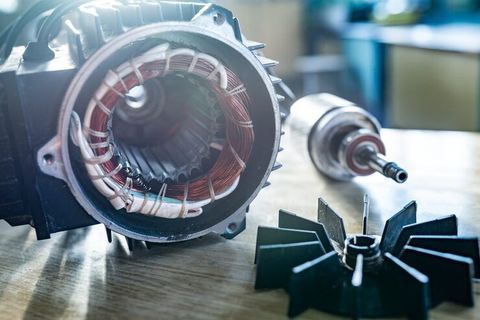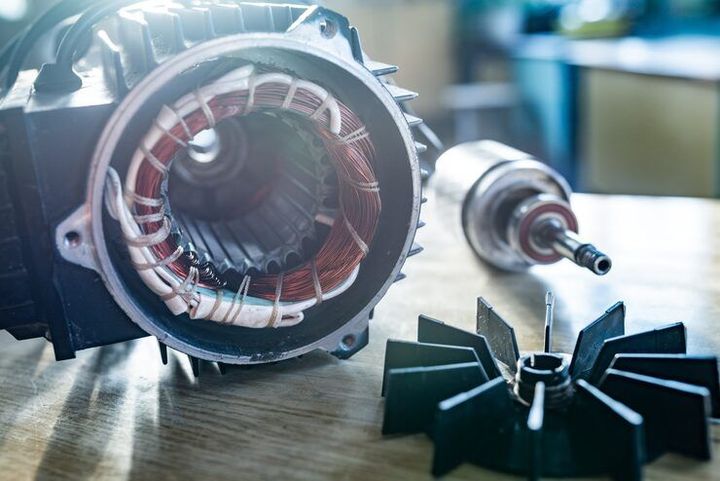
Learn Industrial Turbine Spare Parts Basics and Their Role in Equipment Performance
Industrial turbines play a crucial role in power generation, manufacturing, oil and gas operations, petrochemical facilities, and various large-scale industrial processes.
These machines convert energy from steam, gas, water, or other sources into mechanical power that drives equipment and supports critical operations.
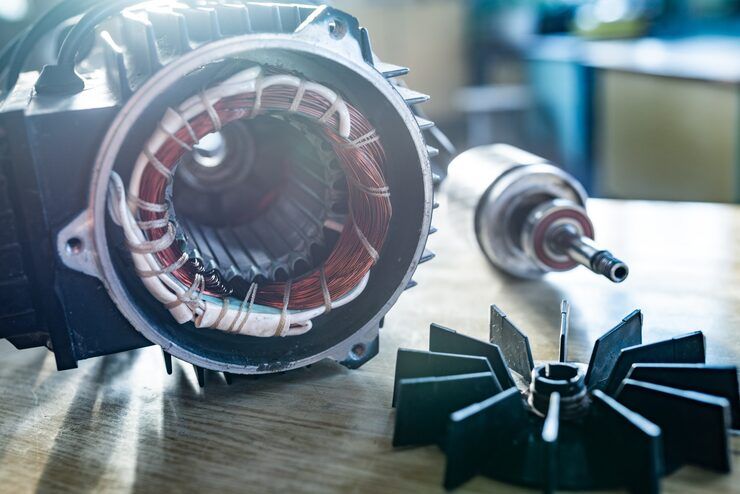
Because turbines often operate under demanding conditions, their components experience continuous exposure to heat, pressure, vibration, and rotational forces. Over time, individual parts may experience wear and require inspection, maintenance, or replacement. This is where industrial turbine spare parts become important.
What really matters is that spare parts are not simply replacement components stored for emergencies. They are an essential part of equipment reliability, operational continuity, and long-term performance management.
This guide explores the fundamentals of industrial turbine spare parts, explains their functions, highlights common component categories, and examines how spare parts contribute to efficient equipment operation.
Understanding Industrial Turbines
Industrial turbines are machines designed to convert one form of energy into mechanical motion.
Depending on the application, turbines may be powered by steam, gas, water, or other energy sources. The resulting mechanical power can drive generators, compressors, pumps, and various industrial systems.
Industrial turbines are commonly found in:
- Power generation facilities
- Manufacturing plants
- Petrochemical operations
- Oil and gas facilities
- Process industries
These machines often operate continuously, making reliability and maintenance critical considerations.
What Are Turbine Spare Parts?
Turbine spare parts are replacement components used to maintain, repair, or restore turbine systems.
These parts may be kept in inventory to support planned maintenance activities or to address unexpected equipment issues. Spare parts help ensure that turbines continue operating efficiently while minimizing operational disruptions.
This matters because turbine downtime can affect productivity, energy generation, and industrial operations.
A practical example is replacing worn sealing components during a scheduled maintenance shutdown to support continued turbine performance.
Why Spare Parts Are Important
Industrial turbines consist of numerous interconnected components that work together under demanding operating conditions.
Even well-maintained equipment may eventually require component replacement due to normal wear, environmental exposure, or operational stresses. Having access to appropriate spare parts supports maintenance planning and equipment reliability.
The real difference appears when organizations treat spare parts management as a proactive strategy rather than a reactive response to equipment failures.
A real-world example is a power facility maintaining critical spare components to support rapid maintenance activities and reduce downtime risks.
Common Types of Turbine Spare Parts
Turbines contain many specialized components designed to perform specific functions.
Blades and Vanes
These components help direct and convert energy into rotational motion.
Bearings
Bearings support rotating shafts and help reduce friction.
Seals
Seals help control fluid movement and maintain operational efficiency.
Shafts
Shafts transfer mechanical power throughout the turbine system.
Fasteners and Hardware
These components help secure assemblies and maintain structural integrity.
Each category contributes to overall turbine operation and performance.
Understanding Turbine Blades
Turbine blades are among the most important components within many turbine systems.
They are designed to capture energy from moving fluids and convert it into mechanical rotation. Because blades are exposed to significant operational stresses, they often receive special attention during maintenance inspections.
This matters because blade condition can directly influence turbine efficiency and operational performance.
A practical example is inspecting turbine blades during routine maintenance to identify signs of wear or damage before performance is affected.
The real difference appears when blade maintenance helps preserve long-term equipment reliability.
Bearings and Rotational Performance
Bearings play a critical role in supporting turbine shafts and rotating assemblies.
Their primary function is to reduce friction while enabling smooth movement under demanding conditions. Proper bearing performance contributes to equipment stability, reliability, and efficiency.
Common bearing considerations include:
- Load support
- Friction reduction
- Alignment maintenance
- Vibration control
These functions help support continuous turbine operation.
A real-world example is replacing bearings during a planned maintenance interval to maintain optimal equipment performance.
The Importance of Seals in Turbine Systems
Seals are essential for controlling fluid movement within turbine equipment.
They help maintain system efficiency by preventing unwanted leakage and supporting proper operational conditions. Different turbine designs utilize various sealing technologies depending on operating requirements.
Important seal functions include:
- Leakage control
- Pressure management
- Efficiency support
- Equipment protection
These contributions make seals a key component of turbine maintenance strategies.
Spare Parts and Preventive Maintenance
Preventive maintenance programs often rely heavily on spare parts availability.
Rather than waiting for component failures to occur, many facilities replace specific parts according to maintenance schedules and equipment condition assessments. This approach helps support reliability while reducing the likelihood of unexpected interruptions.
This matters because proactive maintenance often contributes to more predictable equipment performance.
A practical example is replacing selected wear components during scheduled shutdown periods to support future operational reliability.
The real difference appears when maintenance planning and spare parts management work together effectively.
Inventory Management for Turbine Spare Parts
Managing spare parts inventory is an important aspect of equipment support.
Organizations frequently balance the need for critical replacement components with inventory management considerations. Effective inventory strategies help ensure that essential parts are available when required.
Common inventory priorities include:
- Critical component identification
- Storage condition management
- Maintenance planning support
- Operational risk reduction
These practices help organizations improve equipment readiness and maintenance efficiency.
Comparing Critical and Routine Spare Parts
| Spare Part Category | Primary Purpose | Operational Importance |
|---|---|---|
| Turbine Blades | Energy Conversion | Critical |
| Bearings | Rotational Support | Critical |
| Seals | Leakage Control | Critical |
| Gaskets | System Integrity | Routine to Critical |
| Fasteners | Assembly Support | Routine |
| Filters | System Protection | Routine |
Understanding these categories helps maintenance teams prioritize spare parts planning.
How Spare Parts Influence Equipment Performance
Spare parts contribute directly to turbine performance by supporting equipment reliability and operational continuity.
When components remain in good condition, turbines can operate more efficiently and consistently. Conversely, worn or damaged parts may affect performance, increase maintenance requirements, or contribute to operational disruptions.
A real-world example is replacing degraded sealing components to help maintain efficiency and support stable operating conditions.
The real difference appears when replacement components are integrated into a broader reliability management strategy.
Decision Guide for Spare Parts Planning
Developing an effective spare parts strategy involves evaluating multiple factors.
Equipment criticality often influences inventory priorities because some components have a greater impact on operations than others. Maintenance schedules, operational demands, and equipment age should also be considered.
Organizations frequently assess:
- Component importance
- Failure impact
- Maintenance requirements
- Inventory availability
- Operational objectives
A practical example is comparing a base-load power generation turbine with a backup industrial turbine. Both require spare parts support, but inventory priorities may differ significantly.
In many cases, the real difference appears when spare parts planning aligns with operational risk management objectives.
Future Trends in Turbine Maintenance and Spare Parts
Industrial maintenance practices continue evolving through digital technologies and advanced monitoring systems.
Condition monitoring tools increasingly provide real-time information about turbine performance and component health. Predictive maintenance strategies use operational data to identify potential issues before failures occur.
Advanced manufacturing techniques are improving component design and production capabilities. Digital inventory management systems are also helping organizations improve spare parts planning and availability.
Artificial intelligence and industrial analytics are expected to play growing roles in future turbine maintenance programs.
What really matters is how these innovations support reliability, efficiency, and informed maintenance decision-making.
FAQ
1. What are industrial turbine spare parts?
Industrial turbine spare parts are replacement components used to maintain, repair, and support turbine systems.
2. Why are spare parts important for turbines?
They help maintain equipment reliability, support maintenance activities, and reduce operational disruptions.
3. What are common turbine spare parts?
Common examples include blades, bearings, seals, shafts, gaskets, filters, and fasteners.
4. How do spare parts support preventive maintenance?
Replacement components allow maintenance teams to address wear and potential issues before equipment failures occur.
5. Why is spare parts inventory management important?
Effective inventory management helps ensure critical components are available when needed while supporting operational continuity.
Conclusion
Industrial turbine spare parts are essential components of equipment reliability and maintenance strategies. From blades and bearings to seals and support hardware, these parts help ensure turbines continue operating efficiently in demanding industrial environments.
As maintenance technologies continue advancing, organizations are increasingly combining spare parts management with predictive analytics, condition monitoring, and digital maintenance systems. Understanding the fundamentals of turbine spare parts provides valuable insight into how modern facilities support equipment performance, operational continuity, and long-term reliability.