Vacuum Gripping System Guide to Automated Material Handling and Robotics
Modern manufacturing depends on the ability to move materials accurately, safely, and consistently.
As factories adopt robotics and automation, traditional mechanical gripping methods are increasingly being complemented by technologies that can handle delicate, smooth, irregular, or large surfaces. A vacuum gripping system is one such solution, using controlled suction to lift and transport objects without relying on conventional mechanical jaws.
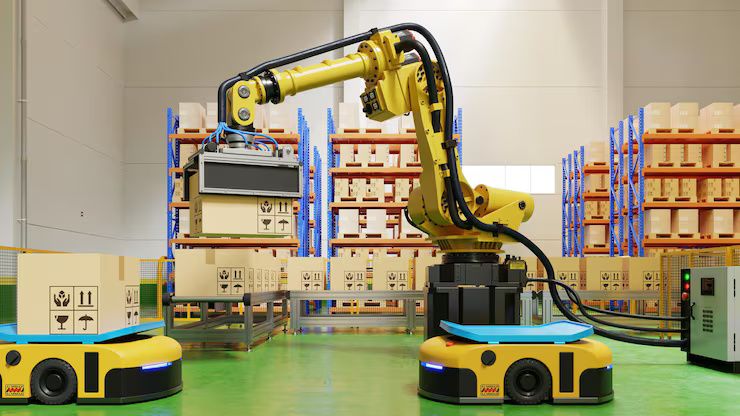
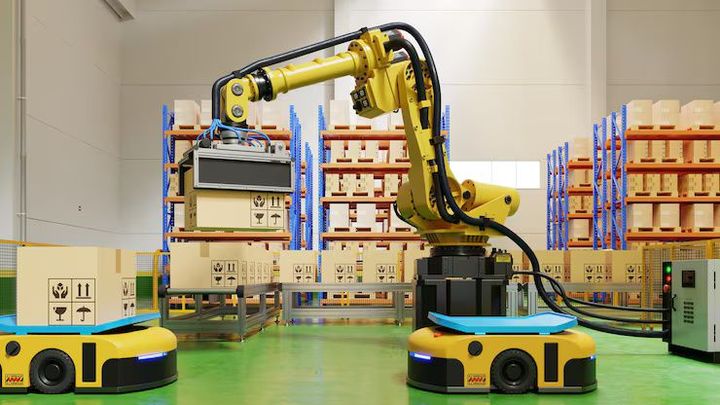
Vacuum gripping technology is widely used in manufacturing, packaging, logistics, warehousing, electronics, automotive production, glass handling, and other industrial environments. By combining vacuum generation, suction components, sensors, and robotic control, these systems can support automated material handling while reducing manual intervention.
This guide explains how vacuum gripping systems work, their main components, common applications, advantages and limitations, and their role in modern industrial robotics.
What Is a Vacuum Gripping System?
A vacuum gripping system is an automated or semi-automated material handling solution that uses negative air pressure to create a holding force between a gripping device and an object's surface.
When air is removed from the space between the gripping surface and the workpiece, atmospheric pressure creates a force that allows the object to be lifted and moved.
A typical system may include:
- Vacuum generator
- Suction cups or vacuum pads
- Hoses and fittings
- Valves
- Pressure sensors
- Filters
- Control units
- Robotic or automated positioning equipment
The exact configuration depends on the material being handled, its surface characteristics, weight, dimensions, and the required movement pattern.
How Vacuum Gripping Technology Works
The basic principle behind vacuum gripping is relatively simple, but successful industrial operation requires careful system design.
First, the gripping device is positioned against the workpiece. The vacuum generator then removes air from the contact area, creating a pressure difference between the sealed gripping surface and the surrounding atmosphere.
This pressure difference creates a holding force. Once the system confirms that sufficient vacuum has been achieved, the robot or handling mechanism can move the workpiece.
When the object reaches its destination, the vacuum is released, allowing the workpiece to separate from the gripping surface.
Modern systems often use sensors to continuously monitor vacuum pressure. If the pressure changes unexpectedly, the control system can respond according to predefined safety and operational procedures.
Main Components of a Vacuum Handling System
A vacuum handling system consists of several interconnected components that work together to create reliable gripping performance.
Vacuum Generator
The vacuum generator creates the negative pressure needed to hold the workpiece. Depending on the application, systems may use pneumatic vacuum generators, electric pumps, or other vacuum-producing technologies.
Vacuum Pads
Vacuum pads are the primary contact points between the gripping system and the workpiece. They are available in different shapes, sizes, and materials to accommodate various surface conditions.
Hoses and Fittings
These components transport air between the vacuum generator and gripping elements. Proper sizing and routing help maintain efficient airflow and minimize pressure losses.
Valves
Valves control vacuum generation, release, and airflow. Automated valves allow the gripping process to be synchronized with robotic movements.
Filters
Filters help prevent dust and particles from entering sensitive vacuum components. This is particularly important in industrial environments where contaminants may affect system performance.
Sensors
Pressure sensors provide real-time information about vacuum levels. This information can be integrated into robotic control systems to support monitoring and safety functions.
What Is an Industrial Vacuum Gripper?
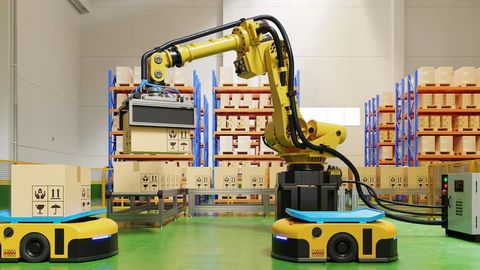
An Industrial Vacuum Gripper is a specialized gripping device designed for automated material handling applications. It can be mounted on robotic arms, gantry systems, automated guided equipment, or other machinery.
Industrial vacuum grippers are particularly useful when traditional mechanical gripping methods could damage the surface or when the workpiece does not have suitable edges for mechanical clamping.
They are commonly used for handling:
- Glass sheets
- Metal panels
- Plastic components
- Cardboard boxes
- Wooden boards
- Packaging materials
- Electronic components
- Automotive parts
The selection of an appropriate gripper depends heavily on the physical characteristics of the material.
Applications in Automated Material Handling
Vacuum gripping systems have become an important part of automated manufacturing and logistics.
Packaging
Robotic systems can use vacuum gripping equipment to pick and place cartons, bags, containers, and other packaging materials.
Warehousing
Automated handling systems can move boxes and packages between conveyors, storage locations, and processing stations.
Manufacturing
Factories use vacuum gripping for loading, unloading, stacking, and positioning components during production.
Glass Handling
Because glass can be difficult to handle using traditional mechanical methods, vacuum technology is often used to move large, smooth panels while minimizing direct mechanical contact.
Sheet Material Handling
Large sheets of metal, plastic, wood, and composite materials can be moved using appropriately configured vacuum systems.
Benefits of Vacuum Gripping Equipment
Vacuum gripping equipment provides several advantages in automated environments.
Gentle Material Handling
Vacuum gripping can reduce direct mechanical pressure on surfaces, making it suitable for fragile or easily scratched materials.
Flexible Automation
A single robotic system may handle different workpieces when equipped with adaptable gripping configurations.
High-Speed Operation
Automated vacuum systems can support rapid pick-and-place cycles when correctly integrated with robotic equipment.
Reduced Manual Handling
Automation can reduce the need for repetitive manual lifting and positioning tasks, particularly in high-volume environments.
Integration With Robotics
Vacuum grippers can be connected to robotic control systems, sensors, machine vision, and production management platforms.
Vacuum Gripping System vs. Mechanical Gripping
The choice between vacuum and mechanical gripping depends on the application.
| Feature | Vacuum Gripping | Mechanical Gripping |
|---|---|---|
| Contact Method | Suction-based | Physical clamping |
| Surface Suitability | Best for suitable smooth or sealed surfaces | Suitable for many solid shapes |
| Fragile Materials | Often gentle | May require controlled force |
| Edge Access | Not always required | Often needed |
| Surface Porosity | Can affect performance | Generally less affected |
| Automation | Easily integrated with robotics | Easily integrated with robotics |
The real difference appears when workpiece characteristics, environmental conditions, and handling requirements are considered together.
Factors That Influence Gripping Performance
A vacuum gripping system must be selected and configured according to specific operating conditions.
Important factors include:
Surface Characteristics
Smooth, non-porous surfaces generally provide better sealing than highly porous or uneven materials. Surface texture can directly influence the ability to maintain stable vacuum pressure.
Workpiece Weight
The gripping force must be sufficient to support the workpiece during lifting and movement.
Workpiece Shape
Flat surfaces may be easier to grip than curved or irregular shapes. Multiple vacuum pads can sometimes be arranged to accommodate larger or uneven objects.
Environmental Conditions
Dust, moisture, temperature, and contamination can influence vacuum performance and component durability.
Movement Speed
Rapid robotic movements may create additional forces that need to be considered when designing the gripping configuration.
Challenges and Limitations
Although vacuum gripping systems offer significant flexibility, they are not suitable for every application.
Porous materials can allow air to pass through the surface, making it difficult to maintain stable vacuum pressure. Rough or uneven surfaces may also prevent an effective seal.
Power interruptions or vacuum generator failures can create handling risks if the system does not include appropriate monitoring and safety measures.
Regular maintenance is also important. Worn suction pads, blocked filters, damaged hoses, or leaking connections can reduce gripping performance.
For these reasons, system design should consider both normal operating conditions and potential failure scenarios.
Vacuum Gripping in Robotics
The combination of robotics and vacuum gripping has transformed automated material handling.
Robotic systems can use sensors and machine vision to identify workpieces, determine their positions, and select appropriate gripping points.
When combined with programmable motion control, a robotic arm equipped with a vacuum gripper can perform repetitive tasks with consistent positioning.
Advanced systems may also incorporate adaptive control technologies that adjust gripping behavior based on real-time information about the workpiece.
This integration is particularly valuable in flexible manufacturing environments where production requirements may change frequently.
Future Trends in Industrial Vacuum Gripping Systems
Vacuum gripping technology continues to evolve alongside industrial automation.
Emerging developments include:
- Intelligent vacuum monitoring
- Sensor-based gripping verification
- Adaptive vacuum control
- Energy-efficient vacuum generation
- Machine vision integration
- Modular gripper designs
- Collaborative robot compatibility
- Predictive maintenance
Smart sensors and connected control systems are expected to play an increasingly important role in monitoring system performance and identifying potential issues before they interrupt production.
Energy efficiency is another important area of development, particularly for facilities operating large numbers of pneumatic or vacuum-powered devices.
Frequently Asked Questions
What is a vacuum gripping system?
A vacuum gripping system is a material handling technology that uses negative air pressure to create a holding force between a gripping device and a workpiece.
What materials can vacuum gripping equipment handle?
Vacuum gripping equipment can handle many materials, including glass, metal sheets, plastics, cardboard, wood, packaging, and selected electronic components, depending on surface characteristics and system configuration.
What is an Industrial Vacuum Gripper used for?
An Industrial Vacuum Gripper is used to pick, lift, position, and transport workpieces in automated manufacturing, packaging, warehousing, logistics, and robotic applications.
Are vacuum grippers suitable for porous materials?
Porous materials can be more challenging because air may pass through the surface, reducing the ability to maintain a stable vacuum. Specialized configurations may be required for certain porous workpieces.
How do vacuum gripping systems support robotics?
Vacuum gripping systems provide robotic arms with a flexible method for picking and placing workpieces. Sensors, machine vision, and automated controls can further improve positioning and gripping verification.
Conclusion
Vacuum gripping systems have become an important technology in modern automated material handling and robotics. By using controlled negative pressure, these systems can move a wide range of materials while supporting precise, repeatable, and gentle handling.
The effectiveness of a Vacuum Handling System depends on choosing the right vacuum generator, gripping components, sensors, and control technologies for the specific application. Surface characteristics, workpiece weight, shape, environmental conditions, and movement requirements all influence system design.
As manufacturing and logistics continue to adopt intelligent automation, Industrial Vacuum Gripping Systems are expected to become increasingly connected, adaptive, and energy-conscious. Their integration with robotics, machine vision, and real-time monitoring will continue to expand the possibilities for efficient and flexible material handling across modern industrial environments.