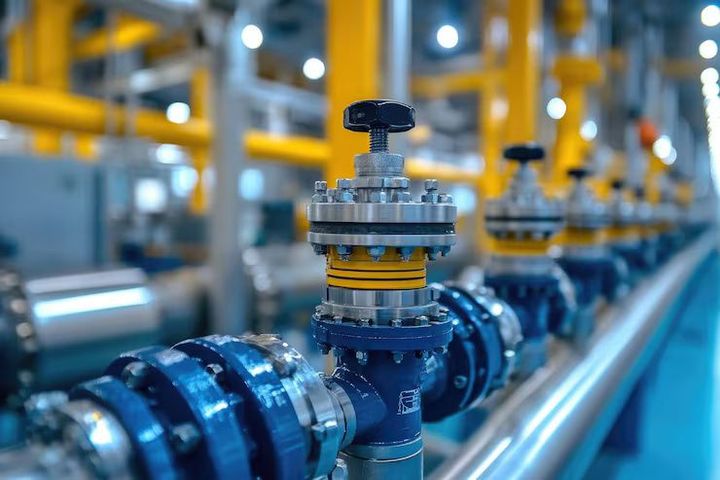
Industrial Valves Guide: Overview of Types, Functions, and Applications
Industrial valves are mechanical devices used to control the flow, pressure, and direction of fluids such as liquids, gases, and slurries within pipelines and systems. They exist to ensure safe, efficient, and precise movement of materials in industries like oil and gas, water treatment, chemical processing, and manufacturing.
Valves operate by opening, closing, or partially obstructing pathways. Depending on the application, they may regulate flow continuously or simply allow or block it. Their design varies based on the medium, pressure, temperature, and operational requirements.
Common valve types include:
- Gate valves for on/off control
- Globe valves for flow regulation
- Ball valves for quick shut-off
- Butterfly valves for compact systems
- Check valves to prevent backflow
Each type is engineered for specific performance conditions, making proper selection essential for system reliability.
Why Industrial Valves Matter in Modern Systems
Industrial valves play a critical role in maintaining operational safety and efficiency. They are essential in industries where fluid control directly impacts productivity, environmental safety, and equipment lifespan.
Key Reasons Industrial Valves Are Important
- Safety Control: Prevent leaks, overpressure, and hazardous incidents
- Process Efficiency: Maintain consistent flow and pressure for optimal performance
- System Protection: Reduce wear and tear on pipelines and machinery
- Environmental Compliance: Help control emissions and waste discharge
Industries That Rely on Valves
- Oil and gas refineries
- Power generation plants
- Water and wastewater treatment facilities
- Pharmaceutical and food processing sectors
Without reliable valves, systems face increased downtime, safety risks, and inefficiencies.
Recent Developments and Trends in Industrial Valves (2024–2025)
Industrial valve technology has evolved with a focus on automation, sustainability, and digital integration.
Key Trends
- Smart Valve Technology (2024): Valves with sensors and IoT connectivity allow real-time monitoring and predictive maintenance
- Energy Efficiency Improvements (2025): Reduced friction and improved sealing minimize energy loss in fluid systems
- Sustainable Materials Adoption (2024): Use of corrosion-resistant and recyclable materials reduces environmental impact
- Automation Integration (2025): Automated valves reduce manual intervention and improve precision
- Digital Twin Technology: Virtual replicas simulate performance to optimize operations before implementation
Regulations and Standards Affecting Industrial Valves
Industrial valves are subject to strict regulations to ensure safety, quality, and environmental protection. Standards vary by country but often follow internationally recognized guidelines.
Key Regulatory Frameworks
- ISO Standards: Ensure quality management and product consistency
- API Standards: Widely used in oil and gas industries for valve performance
- ASME Codes: Cover pressure vessel and piping safety
- Environmental Regulations: Control emissions and leakage
India-Specific Regulations
- Bureau of Indian Standards (BIS) guidelines
- Pollution control board regulations for emissions and waste
- Industry-specific compliance requirements (e.g., petrochemicals, water treatment)
Adhering to these policies ensures valves operate safely under high-pressure and hazardous conditions.
Useful Tools and Resources for Industrial Valve Understanding
A variety of tools and resources help engineers, students, and professionals better understand and work with valves.
Digital Tools and Calculators
- Flow rate calculators for pipe systems
- Pressure drop estimation tools
- Valve sizing software for accurate selection
Educational Resources
- Engineering textbooks on fluid mechanics
- Online learning platforms offering industrial automation courses
- Technical documentation from valve manufacturers
Software Platforms
- CAD tools for valve design and system layout
- Simulation software for fluid dynamics analysis
- Maintenance management systems for tracking valve performance
Templates and Checklists
- Valve inspection checklists
- Maintenance scheduling templates
- Safety compliance documentation formats
Industrial Valve Types and Their Functions
| Valve Type | Primary Function | Common Application |
|---|---|---|
| Gate Valve | Start/stop flow | Oil pipelines, water systems |
| Globe Valve | Regulate flow | Steam systems |
| Ball Valve | Quick shut-off | Gas distribution |
| Butterfly Valve | Compact flow control | HVAC systems |
| Check Valve | Prevent backflow | Pump systems |
Frequently Asked Questions
What is the main function of an industrial valve?
An industrial valve controls the flow, pressure, and direction of fluids within a system, ensuring safe and efficient operation.
How do I choose the right valve type?
Selection depends on factors such as fluid type, pressure, temperature, and required control precision. Each application may require a different valve design.
What materials are commonly used in industrial valves?
Common materials include stainless steel, cast iron, brass, and specialized alloys for corrosion resistance and durability.
What is a smart valve?
A smart valve is equipped with sensors and communication technology to monitor performance and enable remote control.
Why is maintenance important for valves?
Regular maintenance prevents leaks, ensures proper operation, and extends the lifespan of the valve and the entire system.
Conclusion
Industrial valves are essential components in modern infrastructure and industrial systems. They enable precise control of fluid flow, ensuring safety, efficiency, and reliability across various sectors.
With advancements in automation and digital technologies, valves are becoming smarter and more efficient, contributing to improved system performance and sustainability. Understanding their types, functions, and regulatory requirements helps industries make informed decisions and maintain optimal operations.
As industries continue to evolve, the role of industrial valves will remain fundamental in supporting safe and efficient processes worldwide.