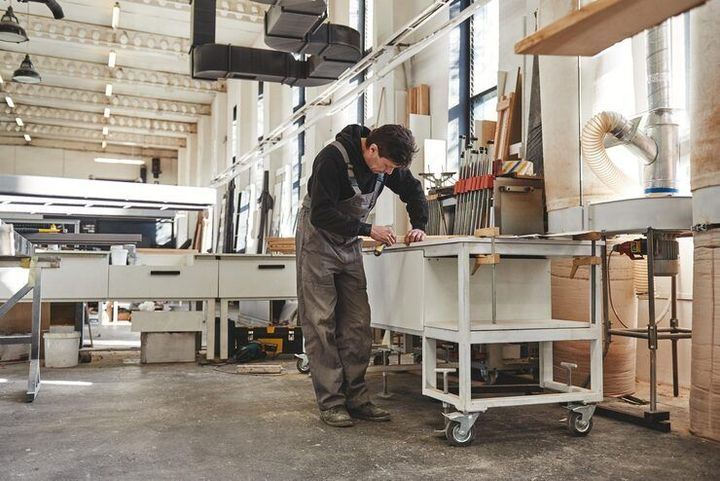
Industrial Drawer-Stack Work Tables Overview Guide for Modern Workspaces
Industrial drawer-stack work tables are specialized workstations designed for organized storage and efficient task handling in industrial and technical environments. These tables typically combine a durable work surface with integrated drawers arranged in stacked configurations, allowing tools, components, and materials to be stored systematically within easy reach.
Industrial drawer-stack work tables exist to address a common challenge in industrial settings: maintaining order while maximizing productivity. In environments such as manufacturing floors, laboratories, maintenance workshops, and assembly units, workers often require quick access to multiple tools and parts. These tables streamline workflows by reducing clutter and improving accessibility.
Modern designs focus on ergonomics, durability, and modularity. Materials like stainless steel, powder-coated steel, and reinforced laminates ensure long-term performance under heavy-duty conditions. With growing emphasis on workspace optimization, these tables are becoming essential components of industrial infrastructure.
Importance of Industrial Drawer-Stack Work Tables
Industrial drawer-stack work tables play a significant role in improving operational efficiency and workplace organization. As industries move toward lean manufacturing and optimized workflows, structured storage solutions have become increasingly necessary.
Key Benefits
- Enhanced Productivity: Workers spend less time searching for tools and more time focusing on tasks.
- Improved Organization: Clearly defined storage spaces reduce clutter and confusion.
- Workplace Safety: Organized tools and materials help prevent accidents.
- Space Optimization: Vertical drawer stacking makes efficient use of limited floor space.
- Versatility: Suitable for industries such as automotive, electronics, healthcare, and logistics.
These tables are particularly useful in environments where precision and speed are critical. Quick access to components in assembly lines or repair stations can significantly reduce downtime.
Common Applications Table
| Industry | Primary Use Case | Key Benefit |
|---|---|---|
| Manufacturing | Assembly and tool organization | Faster workflow |
| Automotive | Repair and maintenance | Easy tool access |
| Electronics | Component handling and storage | Precision and order |
| Healthcare Labs | Equipment and sample organization | Clean and safe workspace |
| Warehousing | Packing and sorting stations | Efficient operations |
Recent Updates and Trends (2024–2025)
Industrial furniture design has evolved significantly due to technology advancements and changing workplace requirements.
Key Trends
- Smart Storage Systems (2024): Sensor-enabled drawers track usage patterns and inventory levels, helping maintain stock accuracy and reduce shortages.
- Ergonomic Customization: Adjustable-height work tables allow users to switch between sitting and standing positions, reducing physical strain.
- Sustainability (2025): Use of recycled materials and eco-friendly coatings supports environmental goals.
- Modular Designs: Flexible workstations can be reconfigured to meet changing operational needs, particularly in electronics and logistics sectors.
These trends emphasize smarter, safer, and more adaptable industrial work environments.
Laws and Policies Affecting Industrial Work Tables
Industrial drawer-stack work tables are influenced by workplace safety standards, ergonomic guidelines, and environmental regulations.
Key Compliance Considerations
- Load-bearing capacity and structural stability
- Non-toxic and durable materials
- Proper drawer locking mechanisms
- Fire resistance and chemical safety (where applicable)
- Ergonomic design standards
In India, workplace infrastructure is guided by the Factories Act, 1948, which emphasizes safety, cleanliness, and proper equipment maintenance. International ergonomic standards, such as ISO workplace guidelines, also influence table design. Compliance ensures safe, efficient, and sustainable workspaces.
Tools and Resources for Planning and Use
Several tools and resources support effective selection, design, and management of industrial drawer-stack work tables.
Digital Tools and Software
- CAD Software: Designing custom workstations and layouts
- Inventory Management Systems: Track tools and materials stored in drawers
- Ergonomic Assessment Tools: Evaluate workstation comfort and efficiency
Online Platforms and References
- Industrial design guides and standards documentation
- Workplace safety manuals and compliance checklists
- Productivity optimization frameworks
Templates and Checklists
- Workstation layout planning templates
- Tool organization checklists
- Maintenance and inspection logs
Example Workflow Optimization Table
| Task Step | Tool Used | Outcome |
|---|---|---|
| Layout Planning | CAD Software | Efficient workspace design |
| Tool Allocation | Inventory System | Organized storage |
| Ergonomic Review | Assessment Tool | Reduced worker strain |
| Maintenance Check | Inspection Checklist | Long-term reliability |
These resources help maintain consistent performance and optimize workflows in industrial environments.
FAQs
What materials are commonly used in these work tables?
Steel, stainless steel, and heavy-duty composites are commonly used for durability, wear resistance, and load-bearing capability.
How do drawer-stack configurations improve efficiency?
Vertical stacking allows tools and components to be categorized and stored efficiently, reducing search time and improving workflow.
Are these tables suitable for small workspaces?
Yes, vertical storage maximizes capacity without requiring additional floor space.
What maintenance is required for these work tables?
Regular cleaning, drawer lubrication, and periodic structural inspections help maintain performance and longevity.
Can these tables be customized for specific industries?
Yes, many designs are modular and can be tailored with specialized drawer sizes, locking systems, or surface materials.
Conclusion
Industrial drawer-stack work tables are essential for modern work environments, combining organization, efficiency, and safety. They provide practical solutions for tool management, workflow optimization, and space utilization across multiple industries.
With advances such as smart features, ergonomic adjustments, and sustainable materials, these tables are becoming more advanced and adaptable. By leveraging the right tools, following regulations, and staying informed on trends, organizations can enhance productivity, safety, and operational efficiency.