Industrial Dining Table Styles Guide for Modern Interiors and Functional Spaces
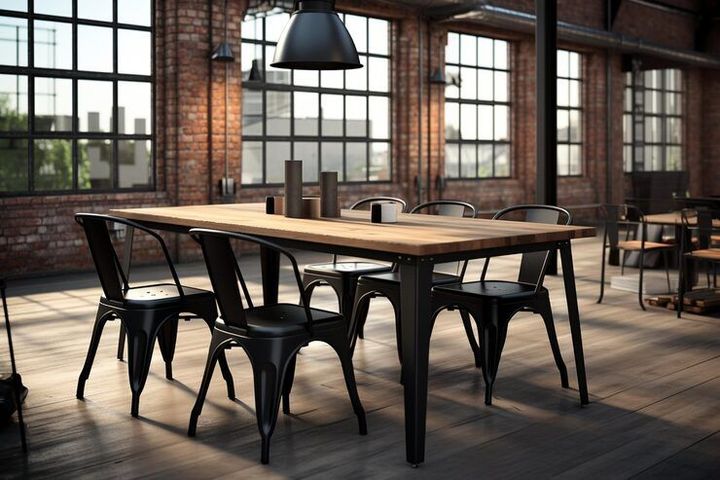
Industrial dining table styles are furniture designs inspired by old factories, warehouses, and mechanical workspaces. These tables often combine raw materials like metal and wood, highlighting strength, durability, and simplicity. The style became popular as people began converting industrial buildings into homes and offices, especially in urban environments.
Industrial dining tables focus on exposed structures, minimal decoration, and functional design. Instead of hiding imperfections, these tables embrace natural textures like wood grain, metal finishes, and visible joints. This creates a balance between ruggedness and modern aesthetics.
They exist to meet both practical and visual needs. Industrial tables are sturdy, long-lasting, and adaptable for homes, cafes, offices, and collaborative workspaces. Their versatile design ensures relevance in traditional and contemporary interiors.
Why Industrial Dining Table Styles Matter Today
Industrial dining table styles are increasingly popular due to changing interior design preferences and lifestyle requirements. As living spaces become more compact and multifunctional, furniture must combine durability with aesthetic appeal.
Key Reasons Industrial Tables Matter
- Durability and Longevity: Made with strong materials like steel and solid wood, resistant to wear and tear
- Versatility in Design: Suitable for homes, offices, and shared spaces
- Sustainability Focus: Many designs use reclaimed wood and recycled materials
- Minimal Maintenance: Natural finishes reduce the need for frequent upkeep
- Modern Aesthetic Appeal: The combination of metal and wood complements contemporary interiors
These styles benefit homeowners, designers, architects, and businesses by balancing strength, functionality, and visual appeal, particularly in high-use areas.
Recent Updates and Trends in Industrial Dining Table Styles
Over the past year (2025–2026), industrial dining table designs have evolved to reflect modern interior design trends and consumer preferences.
Notable Trends
- Hybrid Designs (2025): Combining industrial styles with Scandinavian or minimalist elements for softer, balanced looks
- Sustainable Materials (2025–2026): Increasing use of reclaimed wood, bamboo, and eco-certified materials
- Customizable Dimensions (Late 2025): Adjustable or modular tables for flexible spaces
- Matte Finishes and Neutral Colors (2026): Dark metals, matte black finishes, and neutral wood tones trending
- Smart Integration (Emerging 2026): Built-in charging ports and cable management features
Comparison of Traditional vs Modern Industrial Table Features
| Feature | Traditional Industrial Style | Modern Industrial Style (2025–2026) |
|---|---|---|
| Materials | Heavy wood, iron | Reclaimed wood, steel, composites |
| Finish | Rough, raw | Matte, polished hybrid |
| Functionality | Fixed design | Modular, multi-purpose |
| Technology Integration | None | Built-in smart features |
| Sustainability Focus | Low | High |
These updates show how industrial dining tables continue to evolve while maintaining their core identity.
Laws, Policies, and Standards Affecting Furniture Design
Industrial dining tables are indirectly influenced by regulations and standards, both in India and globally. These ensure safety, environmental responsibility, and product quality.
Key Regulatory Considerations
- Material Safety Standards: Use non-toxic finishes and coatings
- Environmental Regulations: Promote sustainable forestry and reduced carbon emissions
- Quality and Durability Standards: Guidelines from organizations like BIS for strength and stability
- Workplace Furniture Norms: Ergonomic and safety considerations in commercial spaces
- Import and Export Rules: Affect availability of raw materials and finished products
Compliance ensures industrial tables are safe, durable, and eco-friendly.
Tools and Resources for Exploring Industrial Dining Table Styles
Various tools help homeowners, designers, and students understand, design, or plan industrial dining tables effectively.
Common Tools and Resources
- Interior Design Software: SketchUp, AutoCAD for visualizing designs and layouts
- Material Calculators: Estimate wood, metal, and other materials
- Furniture Design Templates: Pre-designed guides for dimensions and proportions
- Color Palette Generators: Match tables with interior color schemes
- Sustainability Certification Platforms: Identify eco-friendly materials
- Online Learning Resources: Tutorials on furniture design principles and trends
These tools simplify design planning and decision-making for industrial-style furniture.
Frequently Asked Questions About Industrial Dining Table Styles
What materials are commonly used in industrial dining tables?
Solid wood, steel, iron, and sometimes reclaimed materials for strength and distinctive appearance.
Are industrial dining tables suitable for small spaces?
Yes, modern designs include compact and modular options that maintain functionality.
How do you maintain an industrial dining table?
Regular cleaning with a dry or slightly damp cloth; occasional polishing for wooden surfaces.
Can industrial dining tables match other interior styles?
Yes, they blend with minimalist, rustic, and contemporary interiors due to versatile design.
Are industrial dining tables environmentally friendly?
Many modern designs use recycled or sustainably sourced materials, making them eco-friendly.
Conclusion
Industrial dining table styles offer a practical and visually appealing approach to modern furniture. Rooted in factory-inspired aesthetics, they combine durability with simplicity, making them suitable for homes, offices, and commercial spaces.
Recent trends emphasize hybrid styles, eco-friendly materials, modular designs, and smart features. Regulatory standards ensure safety, durability, and environmental responsibility. With various tools and resources available, individuals and designers can explore, plan, and implement these designs effectively.
Overall, industrial dining tables provide a reliable, adaptable, and stylish solution for contemporary living and working environments.