Luxury Watches Collection Insights: Timeless Craftsmanship and Modern Trends
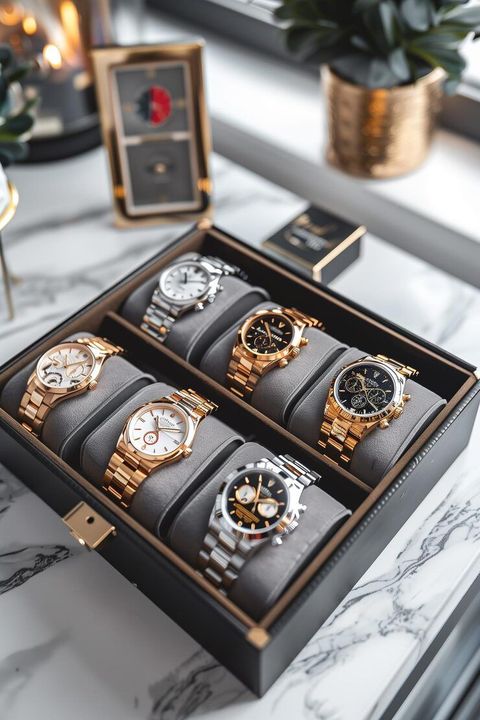
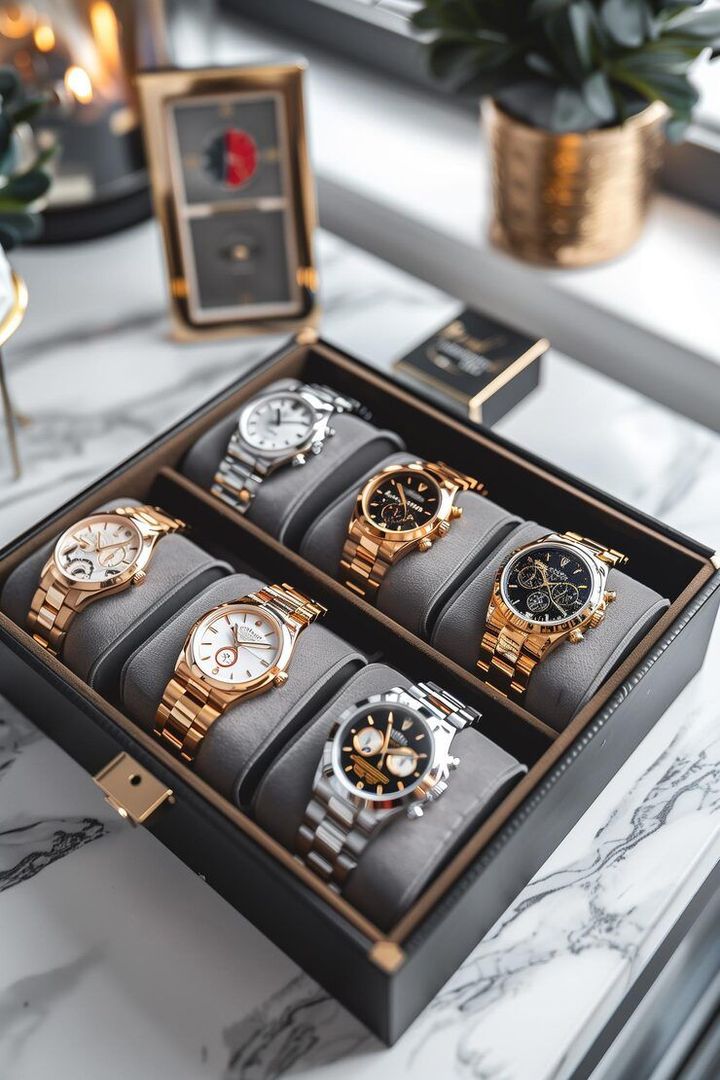
Luxury watches collections represent a blend of craftsmanship, engineering, and personal expression. These timepieces are designed with precision and often reflect decades—or even centuries—of horological expertise. A luxury watch is not only a tool for telling time but also a symbol of heritage, design excellence, and technical innovation.
Collectors often focus on mechanical watches, particularly automatic and manual movements, which showcase intricate internal mechanisms. Materials such as stainless steel, gold, titanium, and sapphire crystal are commonly used to enhance durability and aesthetics. Brands emphasize design, complications (features beyond timekeeping), and finishing techniques to distinguish their collections.
Luxury watch collections exist because of a growing appreciation for craftsmanship and the desire to own objects that combine functionality with artistry. Over time, collections have evolved to include both traditional designs and modern interpretations.
Importance of Luxury Watches Collections
Luxury watch collections matter today for several reasons. They appeal to individuals who value design, precision, and long-lasting products. Collectors, enthusiasts, and even casual users benefit from understanding the details behind these timepieces.
Key Reasons
- Cultural Significance: Watches often represent milestones, achievements, or family traditions.
- Technical Appreciation: Understanding watch mechanisms helps people appreciate engineering and innovation.
- Durability and Longevity: High-quality watches can last for decades with proper care.
- Personal Style: Watches serve as accessories that reflect personality and taste.
Challenges Addressed
| Challenge | How Luxury Watches Address It |
|---|---|
| Short product lifespan | High-quality materials ensure longevity |
| Lack of craftsmanship | Focus on detailed mechanical engineering |
| Generic accessories | Unique designs and limited editions |
| Fast-changing trends | Timeless styles that remain relevant |
Recent Updates and Trends (2025–2026)
The luxury watch industry continues to evolve, balancing tradition with modern innovation.
Key Trends
- Sustainability Focus (2025): Introduction of eco-conscious materials and ethical sourcing, including recycled metals and responsibly sourced leather.
- Smart-Mechanical Hybrids (Late 2025): Combining traditional mechanical movements with limited smart features, such as activity tracking.
- Vintage Revival (Early 2026): Classic designs from the 1960s–1980s influence new collections with retro aesthetics.
- Limited Edition Releases (2025): Increased exclusivity through rare, limited production models.
- Digital Authentication Tools (2026): Blockchain-based certificates and digital IDs verify authenticity and ownership history.
These trends show a balance between preserving tradition and adapting to modern expectations.
Laws and Policies Affecting Luxury Watches
Luxury watch collections are influenced by regulations and policies, especially in India.
Key Considerations
- Import Regulations: Watches imported into India are subject to customs duties and compliance requirements.
- Hallmarking Standards: Precious metal components must meet government standards for purity and certification.
- Consumer Protection Laws: Ensure transparency and protect buyers from misleading claims.
- Intellectual Property Rights: Designs and brand elements are protected under trademark and copyright laws.
- Environmental Regulations (2025 Updates): Sustainable manufacturing practices affect production and marketing.
Compliance ensures ethical practices, consumer safety, and brand integrity.
Tools and Resources for Collectors
Several tools help individuals explore and manage luxury watch collections.
Common Tools
- Watch Databases: Catalog watch models, specifications, and historical data.
- Horology Learning Platforms: Online courses on watchmaking and design.
- Timekeeping Apps: Track accuracy and performance of mechanical watches.
- Authentication Tools: QR codes or blockchain systems for verifying originality.
- Collector Templates: Digital logs for tracking collections, maintenance, and details.
Example Comparison Table
| Tool Type | Purpose | Benefit |
|---|---|---|
| Watch Databases | Model research | Detailed specifications |
| Learning Platforms | Education | Builds technical knowledge |
| Tracking Apps | Accuracy monitoring | Improves maintenance awareness |
| Authentication Tools | Verification | Ensures originality |
| Collection Logs | Organization | Easy record management |
FAQs: Luxury Watches Collections
What defines a luxury watch collection?
A luxury watch collection consists of high-quality timepieces known for craftsmanship, precision, and design. They often include mechanical movements and premium materials.
Why are mechanical watches valued in collections?
Mechanical watches are appreciated for their intricate engineering and traditional craftsmanship. They operate without batteries and showcase detailed internal mechanisms.
How do trends influence watch collections?
Trends such as sustainability, vintage designs, and digital authentication shape design and perception while maintaining timeless elements.
Are luxury watches only about appearance?
No, they combine aesthetics with functionality. Features like complications, durability, and precision are equally important.
What role does technology play in modern collections?
Technology enhances authentication, tracking, and hybrid functionality, while preserving traditional watchmaking principles.
Conclusion
Luxury watch collections offer a unique combination of artistry, engineering, and cultural significance. They evolve by integrating modern trends such as sustainability, digital verification, and hybrid functionality while maintaining traditional craftsmanship.
Understanding luxury watches helps individuals appreciate precision, design, and heritage. Whether functional tools or collectible items, these timepieces remain enduring symbols of quality, style, and timeless appeal.