Industrial Wheel-Leg Coffee Carts: Design Guide and Practical Uses
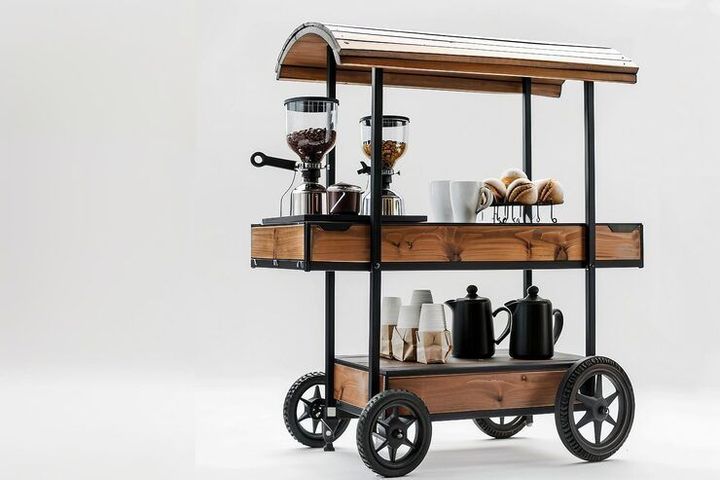
Industrial wheel-leg coffee carts are mobile furniture units designed with a blend of rugged industrial aesthetics and functional mobility. These carts typically feature metal frames, wooden tops, and durable wheels or casters that allow easy movement across spaces. They are widely used in homes, offices, cafes, and commercial interiors where flexibility and space efficiency are important.
The concept originates from industrial design principles, where practicality and durability are prioritized. Wheel legs allow these carts to adapt to different uses—serving as coffee stations, storage units, or decorative elements. Their design balances vintage industrial charm with modern usability, making them versatile additions to contemporary spaces.
These carts are increasingly popular in homes, offices, and hospitality settings due to their mobility and multi-functionality.
Why Industrial Wheel-Leg Coffee Carts Matter Today
Industrial wheel-leg coffee carts have gained attention for their adaptability and practical benefits in dynamic living and working environments. As spaces become more flexible, movable furniture offers distinct advantages.
Key Benefits
- Space Optimization: Ideal for compact homes and offices where flexible layouts are needed.
- Mobility Advantage: Wheels allow easy relocation without heavy lifting.
- Multi-Purpose Use: Can function as coffee stations, serving carts, or storage units.
- Aesthetic Appeal: Industrial design complements modern, rustic, and minimalist interiors.
- Workplace Efficiency: Useful in collaborative office environments for shared utilities.
These carts solve common challenges such as limited space, immobile furniture, and the need for organized setups. Urban households, co-working spaces, and hospitality environments benefit particularly from their flexibility.
Recent Trends and Updates in 2025
The past year has seen notable developments in the design and functionality of industrial wheel-leg coffee carts. Designers are responding to changing consumer preferences for sustainability, flexibility, and tech integration.
Emerging Trends
- Sustainable Materials (2024–2025): Use of recycled wood and eco-friendly metal finishes.
- Smart Integration: Built-in charging ports and cable management systems.
- Modular Designs: Expandable or foldable components for better adaptability.
- Minimalist Industrial Style: Cleaner lines with reduced bulk while maintaining durability.
- Hybrid Usage Trends: Growing use in home offices as mobile workstations.
Traditional vs Modern Features
| Feature | Traditional Design | Modern 2025 Design |
|---|---|---|
| Material | Solid wood, iron | Recycled wood, lightweight alloys |
| Mobility | Basic wheels | Lockable, smooth-rolling casters |
| Functionality | Single-purpose | Multi-functional |
| Technology | None | Charging ports, cable slots |
| Design Style | Heavy industrial | Minimal industrial |
These updates reflect a shift toward eco-friendliness, multi-functionality, and tech integration.
Regulations and Policies Affecting Design
Industrial wheel-leg coffee carts, especially in public or commercial spaces, are influenced by regulations and standards. These focus on safety, materials, and usability.
Key Considerations
- Furniture Safety Standards: Ensure stability and prevent tipping hazards.
- Material Compliance: Use of non-toxic finishes and eco-friendly materials.
- Workplace Regulations: Carts must meet ergonomic and accessibility requirements in offices.
- Fire Safety Norms: Materials should comply with fire resistance standards.
- Sustainability Policies: Encouragement of recyclable and responsibly sourced materials.
In India, manufacturers may follow BIS (Bureau of Indian Standards) guidelines to ensure quality and safety.
Useful Tools and Resources
Several tools and resources assist in understanding, designing, or selecting industrial wheel-leg coffee carts.
Design Software
- SketchUp: For 3D modeling.
- AutoCAD: For detailed technical drawings.
Material Calculators
- Wood volume calculators: Estimate material usage.
- Load capacity calculators: Determine weight limits.
Online Platforms
- Pinterest: Design inspiration.
- Houzz: Interior layout ideas.
Templates and Guides
- Furniture design templates for beginners.
- Industrial design style guides.
Productivity Tools
- Notion or Trello: Planning layout and usage.
- Measurement apps for accurate space planning.
Usage Breakdown Table
| Tool Type | Purpose |
|---|---|
| Design Software | Visualizing and planning designs |
| Calculators | Estimating materials and load |
| Platforms | Inspiration and trends |
| Templates | Structured design approach |
| Apps | Organization and measurement |
These resources help both beginners and professionals make informed decisions about design and usage.
Common Questions About Industrial Wheel-Leg Coffee Carts
What materials are commonly used in these carts?
Typically, they use a combination of metal (steel or iron) and wood. Modern versions may include engineered wood or lightweight alloys for improved mobility.
Are these carts suitable for small spaces?
Yes, their compact design and mobility make them ideal for small apartments or offices. They can be easily moved and used for multiple purposes.
How much weight can these carts hold?
Weight capacity depends on materials and construction. Standard designs support moderate loads, while heavy-duty versions handle higher capacities.
Can these carts be used in offices?
Yes, they are increasingly used as mobile storage units, coffee stations, or collaborative tools for meetings.
What type of wheels are best for smooth movement?
Lockable caster wheels made of rubber or polyurethane ensure smooth movement and stability on various surfaces.
Practical Insights and Usage Tips
To maximize utility, consider the following suggestions:
- Place the cart near frequently used areas for convenience.
- Use organizers or trays to keep items neatly arranged.
- Choose lockable wheels for stability when stationary.
- Match the cart design with existing interior themes.
- Regularly check wheel alignment and tightness for safety.
These steps enhance both functionality and longevity.
Conclusion
Industrial wheel-leg coffee carts provide practical solutions for modern living and working environments. Their mobility, durability, and design flexibility make them valuable additions to homes, offices, and commercial spaces.
As trends evolve, these carts are becoming more sustainable, technologically integrated, and adaptable to diverse needs. Understanding their design, benefits, and current trends helps users make informed decisions. They offer a balance of utility and style that aligns with contemporary lifestyles.