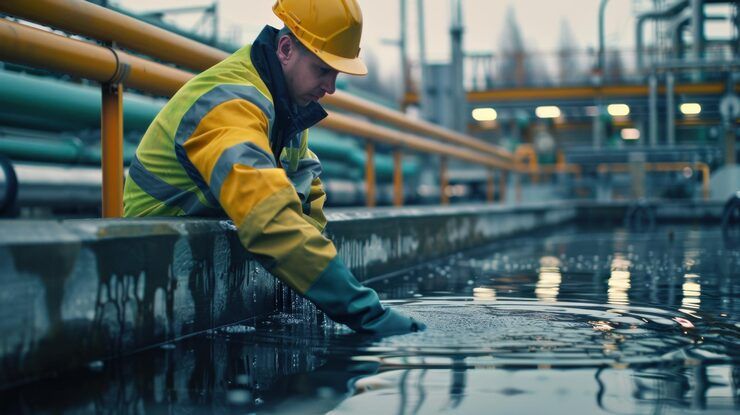
Industrial water quality monitoring refers to the systematic process of measuring, analyzing, and managing water used or discharged by industrial facilities. Industries such as manufacturing, energy production, pharmaceuticals, chemicals, and food processing depend heavily on water for operations including cooling, cleaning, production processes, and waste management.
Monitoring water quality helps organizations track important parameters such as pH levels, dissolved oxygen, turbidity, conductivity, heavy metals, and chemical contaminants. These measurements ensure that water used in operations meets operational requirements and that wastewater released into the environment complies with environmental regulations.
The concept emerged as industrial activity expanded rapidly during the 20th century. Growing awareness of environmental pollution and water scarcity led governments, environmental agencies, and industries to establish monitoring frameworks that help protect water bodies such as rivers, lakes, and groundwater sources.
Today, industrial water monitoring combines environmental science, digital sensors, data analytics, and automation technologies to ensure water safety and sustainability.
Importance
Industrial water quality monitoring plays a significant role in environmental protection, public health, and operational efficiency. Poorly managed industrial wastewater can lead to serious environmental damage, including contamination of drinking water sources, harm to aquatic ecosystems, and soil pollution.
Several groups are affected by industrial water quality practices:
-
Environmental regulators responsible for protecting ecosystems
-
Industries seeking operational efficiency and regulatory compliance
-
Communities located near industrial zones
-
Researchers and environmental monitoring organizations
Key benefits of monitoring include:
• Environmental protection – Prevents harmful pollutants from entering natural water systems.
• Regulatory compliance – Helps industries meet environmental standards set by government authorities.
• Operational efficiency – Identifies water quality issues that may affect industrial equipment or production processes.
• Risk reduction – Early detection of contamination reduces the likelihood of environmental incidents.
Industries that monitor water quality effectively can also improve resource management. Water reuse and recycling programs rely heavily on accurate monitoring data to ensure water remains safe for industrial processes.
Recent Updates
Over the past year, technological innovation and sustainability initiatives have influenced the way industries monitor water quality.
Recent developments include:
Smart Water Monitoring Systems (2024–2025)
Advanced sensor networks and Internet of Things (IoT) devices are increasingly used to collect real-time water data. These systems allow continuous monitoring and automated alerts when parameters exceed acceptable limits.
Artificial Intelligence in Water Analytics (2024)
AI-driven data platforms can analyze large datasets from monitoring equipment to identify patterns, predict contamination events, and support preventive maintenance.
Digital Environmental Compliance Platforms (2025)
Many organizations now use digital compliance dashboards to track environmental reporting requirements and maintain transparent monitoring records.
Industrial Sustainability Initiatives
Global environmental initiatives have encouraged industries to adopt water stewardship programs that reduce water consumption and improve wastewater management.
Example Trend Table
| Trend | Description | Impact on Industry |
|---|---|---|
| IoT Water Sensors | Continuous automated monitoring | Faster detection of issues |
| AI Data Analysis | Predictive analytics for water quality | Improved decision making |
| Cloud Monitoring Platforms | Remote monitoring and reporting | Better compliance management |
| Water Recycling Programs | Industrial water reuse strategies | Reduced water consumption |
These advancements help industries improve environmental accountability while maintaining efficient operations.
Laws or Policies
Industrial water monitoring is strongly influenced by environmental regulations. Governments implement laws to protect water resources and prevent pollution caused by industrial discharge.
In India, several regulations guide water monitoring practices.
Water (Prevention and Control of Pollution) Act, 1974
This law established pollution control boards responsible for monitoring industrial wastewater discharge and enforcing environmental standards.
Central Pollution Control Board (CPCB) Guidelines
The CPCB sets national standards for industrial effluent quality. Industries must regularly monitor water parameters and report findings to regulatory authorities.
National Water Policy
The policy emphasizes sustainable water management and encourages industries to adopt water conservation strategies and wastewater treatment technologies.
Environmental Protection Act, 1986
This act provides a framework for regulating industrial pollution, including water contamination.
Industries must monitor parameters such as:
-
Chemical oxygen demand (COD)
-
Biological oxygen demand (BOD)
-
Total dissolved solids (TDS)
-
Heavy metal concentrations
-
Temperature and pH levels
Failure to comply with these regulations may result in penalties, operational restrictions, or environmental remediation requirements.
Tools and Resources
Modern industrial water monitoring relies on advanced technology and digital platforms. These tools help organizations collect accurate data and manage environmental reporting.
Common tools used in monitoring include:
Water Quality Sensors
These sensors measure parameters such as:
-
pH level
-
turbidity
-
conductivity
-
dissolved oxygen
-
temperature
Sensors are often connected to digital monitoring platforms.
SCADA Monitoring Systems
Supervisory Control and Data Acquisition (SCADA) systems collect and manage data from monitoring equipment installed across industrial facilities.
Water Quality Testing Kits
Laboratory testing kits are used to analyze samples for chemical pollutants, heavy metals, and microbial contamination.
Environmental Monitoring Software
These platforms help track water data, generate reports, and maintain compliance records.
Useful Resource Table
| Resource Type | Purpose | Example Use |
|---|---|---|
| Digital Monitoring Platforms | Real-time data tracking | Continuous water quality measurement |
| Compliance Reporting Software | Environmental documentation | Regulatory reporting |
| Industrial Water Calculators | Water consumption analysis | Efficiency planning |
| Environmental Data Dashboards | Visualization tools | Trend monitoring |
These resources support informed decision-making and improve environmental transparency within industrial operations.
FAQs
What is industrial water quality monitoring?
Industrial water quality monitoring is the process of measuring and analyzing water used or discharged by industrial facilities to ensure it meets environmental and operational standards.
Why do industries monitor wastewater before discharge?
Wastewater monitoring ensures that harmful chemicals, heavy metals, and pollutants do not exceed environmental safety limits before being released into natural water bodies.
Which parameters are commonly measured in industrial water monitoring?
Common parameters include pH, turbidity, dissolved oxygen, temperature, conductivity, chemical oxygen demand, and biological oxygen demand.
How often should industrial water be monitored?
Monitoring frequency depends on regulatory requirements and industrial processes. Many facilities conduct continuous monitoring using automated sensors.
Can industries reuse treated wastewater?
Yes. Many industries treat and reuse wastewater for cooling systems, cleaning processes, or irrigation, which helps reduce water consumption and environmental impact.
Conclusion
Industrial water quality monitoring is an essential component of modern environmental management. As industries continue to expand, maintaining responsible water practices has become increasingly important for protecting ecosystems and supporting sustainable development.
Through advanced monitoring technologies, digital data platforms, and strong regulatory frameworks, industries can track water quality accurately and respond quickly to potential environmental risks. Governments and environmental organizations continue to strengthen policies and encourage sustainable water management strategies.
The future of industrial water monitoring is likely to include greater automation, artificial intelligence analytics, and integrated environmental reporting systems. These innovations will help industries balance productivity with environmental responsibility while ensuring that water resources remain protected for future generations.