Cloud for Industrial IoT refers to the use of cloud computing platforms to collect, store, process, and analyze data generated by industrial machines, sensors, and connected devices. In industrial environments such as factories, energy plants, logistics networks, and manufacturing facilities, machines continuously produce large volumes of operational data. Cloud platforms help organizations manage this data efficiently while enabling real-time monitoring and analytics.
Industrial Internet of Things (IIoT) systems combine physical equipment with digital connectivity. Sensors embedded in machines send information such as temperature, vibration, power usage, and production metrics to cloud platforms through gateways or edge devices. Once data reaches the cloud, it can be processed using analytics tools, machine learning algorithms, and dashboards.
The adoption of cloud computing in industrial environments is closely associated with the broader concept of Industry 4.0. This modern industrial transformation focuses on automation, smart factories, predictive maintenance, and data-driven decision making.
Organizations use cloud-based Industrial IoT platforms to manage device connectivity, visualize operational data, improve equipment efficiency, and optimize production processes. The cloud also enables remote access to industrial systems, making it easier for engineers and operators to monitor facilities from different locations.
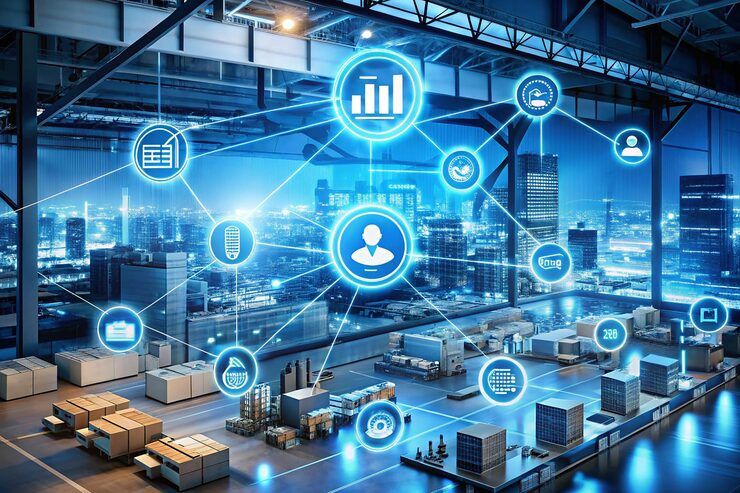
Why Cloud for Industrial IoT Matters Today
The importance of cloud computing in industrial IoT has increased rapidly over the past decade. Industries now rely heavily on data to improve productivity, reduce downtime, and enhance operational safety.
Several key factors explain why cloud-enabled IIoT platforms are becoming essential.
• Industrial machines generate massive data volumes that require scalable storage
• Real-time monitoring improves operational efficiency and maintenance planning
• Advanced analytics help identify performance patterns and anomalies
• Remote access supports distributed industrial operations
• Cloud infrastructure reduces complexity in managing local IT systems
Cloud platforms provide flexible computing resources that can scale based on demand. This is particularly valuable in manufacturing and industrial environments where thousands of connected devices may transmit data simultaneously.
Industrial IoT cloud systems also support predictive maintenance. By analyzing sensor data from machines, algorithms can detect early signs of mechanical issues before equipment fails. This approach reduces unplanned downtime and improves asset reliability.
Another advantage is cross-facility data integration. Large organizations operating multiple factories can centralize operational data in the cloud and analyze performance across different locations.
Common Components of a Cloud-Based Industrial IoT Architecture
Industrial IoT cloud ecosystems typically include several technology layers. Each layer plays a specific role in connecting physical machines to digital platforms.
| Layer | Description | Example Functions |
|---|---|---|
| Devices & Sensors | Physical sensors and industrial equipment | Temperature sensors, vibration sensors |
| Edge Devices | Local computing units near machines | Data filtering, device control |
| Connectivity | Communication networks | Ethernet, Wi-Fi, cellular, LPWAN |
| Cloud Platform | Central data processing environment | Data storage, analytics |
| Applications | Dashboards and monitoring tools | Asset monitoring, reporting |
This architecture allows industrial organizations to manage data efficiently while supporting automation and analytics workflows.
Edge computing is often used alongside cloud computing. Edge devices process some data locally before sending it to the cloud, reducing network load and improving response times for critical operations.
Recent Developments and Trends in Industrial IoT Cloud Platforms
The past year has seen rapid progress in Industrial IoT cloud technologies, particularly in artificial intelligence integration, edge computing adoption, and cybersecurity improvements.
Several trends emerged between 2024 and early 2026.
AI-Driven Industrial Analytics
Many cloud platforms introduced AI-powered analytics tools during 2024–2025. These tools analyze equipment data to detect performance issues, predict failures, and recommend operational improvements.
Edge-to-Cloud Integration
Edge computing has become a major focus area. Instead of sending all raw data to the cloud, many industrial systems now process data locally and transmit only critical insights to cloud platforms.
Digital Twins in Industrial Environments
Digital twin technology expanded significantly in 2025. A digital twin is a virtual representation of a physical machine or production system that uses real-time sensor data to simulate performance and predict outcomes.
Industrial Cybersecurity Enhancements
Cybersecurity risks increased as more factories connected machines to networks. Cloud providers introduced stronger security frameworks, identity management tools, and encryption methods to protect industrial data.
Adoption of 5G for Industrial Connectivity
Industrial IoT deployments began integrating private 5G networks in 2024–2025, allowing faster and more reliable data communication between machines and cloud systems.
The combination of these technologies continues to drive innovation in smart manufacturing and industrial automation.
Industrial IoT Cloud Regulations and Government Policies
Cloud-enabled industrial systems operate within regulatory frameworks that focus on cybersecurity, data protection, and critical infrastructure safety. Governments and international organizations have introduced policies to manage these risks.
Several regulatory initiatives influence Industrial IoT deployment.
Data Protection Regulations
Many countries enforce strict data protection laws that govern how organizations collect, process, and store data. Industrial companies using cloud platforms must ensure compliance with these regulations.
Examples include:
• General Data Protection Regulation (GDPR) in the European Union
• Data protection frameworks adopted by several Asian and North American countries
Industrial Cybersecurity Standards
Industrial infrastructure such as energy grids and manufacturing facilities must follow cybersecurity standards designed to protect critical systems.
Important frameworks include:
• NIST Cybersecurity Framework (United States)
• IEC 62443 standards for industrial automation security
Government Digital Transformation Programs
Many governments promote digital transformation in manufacturing through Industry 4.0 initiatives. These programs encourage adoption of smart technologies including IoT, automation, robotics, and cloud computing.
Countries including Germany, Japan, India, and South Korea have national strategies focused on smart manufacturing and digital industrial infrastructure.
In India, the Digital India and Smart Manufacturing initiatives support industrial digitization and data-driven production systems.Popular Tools and Platforms for Industrial IoT Cloud Systems
A wide range of software platforms and tools support Industrial IoT cloud deployments. These solutions provide device connectivity, analytics, monitoring dashboards, and automation capabilities.
Common categories of tools include:
Industrial IoT Cloud Platforms
• Microsoft Azure IoT
• AWS IoT Core
• Google Cloud IoT platforms
• Siemens MindSphere
• IBM Watson IoT
Data Visualization and Monitoring Tools
• Grafana dashboards
• Power BI analytics tools
• Tableau industrial data visualization
Edge Computing Platforms
• Azure IoT Edge
• AWS Greengrass
• Industrial gateway platforms
Connectivity and Protocol Tools
• MQTT communication protocol
• OPC UA industrial protocol
• Modbus communication systems
These tools allow organizations to build scalable IoT architectures that support real-time industrial monitoring and analytics.Industrial IoT Data Flow Example
The following table illustrates how data typically moves through a cloud-based Industrial IoT system.
| Stage | Process | Result |
|---|---|---|
| Sensor Data Collection | Sensors gather machine data | Raw operational metrics |
| Edge Processing | Edge device filters and aggregates data | Reduced data volume |
| Cloud Transmission | Data sent to cloud platform | Centralized storage |
| Data Analytics | Algorithms analyze machine performance | Predictive insights |
| Visualization | Dashboards display results | Operational monitoring |
This process helps organizations convert raw machine data into actionable operational insights.
Frequently Asked Questions
What is Industrial IoT cloud computing?
Industrial IoT cloud computing refers to using cloud platforms to manage and analyze data generated by connected industrial machines, sensors, and devices. The cloud provides scalable infrastructure for data storage, processing, and analytics.
How does cloud computing improve industrial operations?
Cloud systems allow organizations to monitor equipment in real time, analyze performance trends, predict equipment failures, and optimize production processes through data-driven insights.
What industries use Industrial IoT cloud platforms?
Industrial IoT cloud technologies are widely used in manufacturing, energy production, oil and gas, transportation, logistics, mining, and utilities.
What is the difference between edge computing and cloud computing in IIoT?
Edge computing processes data close to the device or machine, while cloud computing processes data in centralized data centers. Many Industrial IoT systems use both approaches together.
Are Industrial IoT cloud systems secure?
Modern platforms include security features such as device authentication, encryption, network segmentation, and access control. Organizations must also follow cybersecurity best practices and industry standards.
Conclusion
Cloud computing has become a central technology in modern Industrial IoT systems. By enabling scalable data storage, advanced analytics, and remote monitoring, cloud platforms help organizations manage complex industrial environments more efficiently.
The integration of sensors, edge devices, connectivity networks, and cloud platforms allows industries to collect and analyze operational data at an unprecedented scale. This capability supports predictive maintenance, performance optimization, and intelligent automation.
Recent developments such as artificial intelligence, digital twins, edge computing, and 5G connectivity continue to expand the capabilities of Industrial IoT cloud platforms. At the same time, regulatory frameworks and cybersecurity standards play an important role in ensuring safe and responsible adoption.
As industries continue to digitize operations, cloud-based Industrial IoT systems will remain a key component of smart manufacturing, intelligent infrastructure, and data-driven industrial innovation.