Bodysuit Shapewear Basics for Understanding Fit, Structure, and Everyday Comfort
Bodysuit shapewear has become a popular clothing category for people who want a smoother appearance under different types of outfits while maintaining comfort and ease of movement.
Unlike traditional shapewear that focuses on a specific area, a shapewear bodysuit typically combines coverage and shaping across multiple parts of the body in one garment.
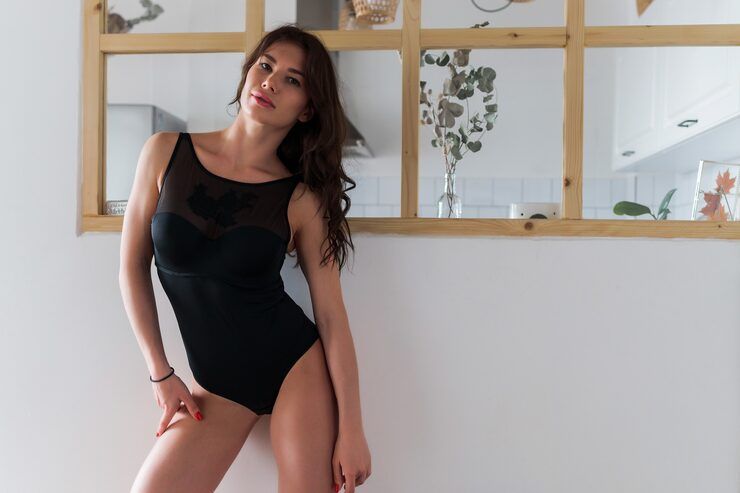
Modern designs have also moved beyond the idea that shapewear should simply feel restrictive. Fabric technology, garment construction, breathable materials, adjustable features, and more varied sizing have changed how full-body shapewear is designed and worn.
Understanding how these garments fit, how different levels of compression work, and how to choose a suitable design can help individuals make more informed wardrobe decisions. This guide explores the basics of bodysuit shapewear, including its structure, fit, materials, styling considerations, comfort, and everyday use.
What Is Bodysuit Shapewear?
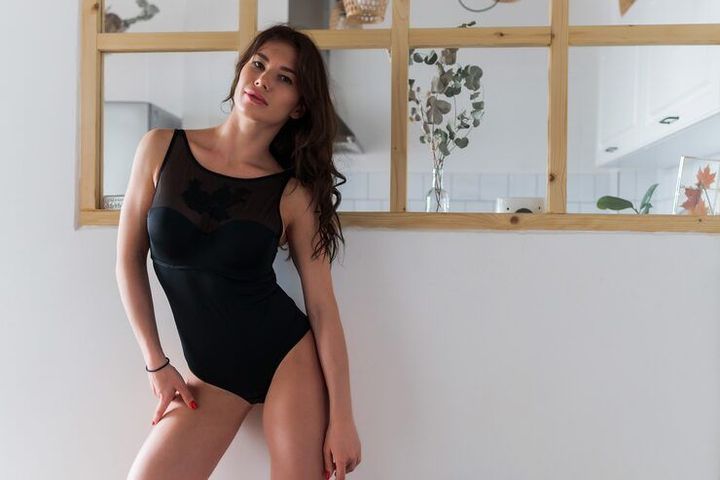
Bodysuit shapewear is a close-fitting undergarment designed to provide shaping and smoothing across several areas of the body. Depending on its construction, it may cover the torso, waist, abdomen, hips, back, and sometimes the thighs.
A full body shapewear bodysuit generally combines the functions of several traditional shapewear garments into one integrated piece. Some designs extend to the upper thigh, while others end around the hips or waist.
The main purpose is usually to create a smoother foundation beneath clothing rather than dramatically changing the body's natural shape.
Common features include:
- Targeted compression zones
- Stretchable fabrics
- Seamless construction
- Adjustable straps
- Built-in bust support
- Thigh coverage
- Open or accessible gussets
- Reinforced panels
Different designs are created for different clothing styles and levels of support.
How a Shapewear Bodysuit Works
A shapewear bodysuit uses strategically constructed fabric panels and varying levels of compression to smooth the appearance of the body beneath clothing.
Rather than applying equal pressure everywhere, many garments use targeted compression. Firmer sections may be placed around the abdomen or waist, while areas requiring greater flexibility may use lighter, stretchable materials.
The effectiveness and comfort of a garment depend on several factors, including:
- Fabric elasticity
- Compression level
- Garment construction
- Body proportions
- Correct sizing
- Length and coverage
- Clothing worn over it
A properly fitted garment should provide support without creating excessive discomfort or restricting normal movement.
Understanding Different Levels of Compression
Not all full body shapewear provides the same degree of support.
Light Compression
Light-compression garments generally focus on gentle smoothing and are often suitable for everyday clothing.
They may be more comfortable for extended wear and can work well beneath casual outfits or lightweight fabrics.
Medium Compression
Medium compression provides more noticeable shaping around areas such as the waist, abdomen, and hips.
This level may be chosen for formal clothing, fitted dresses, or occasions where a smoother silhouette is desired.
Firm Compression
Firm compression provides stronger shaping and typically uses more structured panels or denser fabrics.
These garments may require more careful sizing and may feel more restrictive than lighter options. They are generally better suited to specific occasions rather than continuous everyday wear for many people.
The appropriate compression level depends on individual comfort, clothing requirements, and personal preference.
Key Areas Covered by Full Body Shapewear
Full body shapewear can provide coverage across several areas at once.
Abdomen and Waist
Compression around the midsection can create a smoother appearance beneath fitted tops and dresses.
Hips
Shaping panels around the hips can help create a more continuous silhouette beneath clothing.
Back
Some designs extend upward to smooth the back area and reduce visible lines beneath fitted garments.
Thighs
Full body shapewear bodysuits with longer legs can provide additional coverage and smoothing through the upper thighs.
Bust Area
Certain designs include built-in support or are intended to be worn with a separate bra. Choosing the appropriate structure depends on personal preference and outfit requirements.
Materials Used in Bodysuit Shapewear
Fabric selection has a major influence on comfort and performance.
Common materials include:
- Nylon
- Spandex
- Elastane
- Polyester
- Microfiber blends
- Cotton-lined sections
Stretch fibers provide flexibility, while synthetic blends often help garments maintain their shape after repeated use.
Breathability is another important consideration. Lightweight, moisture-managing fabrics may be more comfortable in warm conditions, while thicker materials can provide greater structure but may feel warmer.
The ideal material depends on climate, intended wear time, and personal sensitivity.
How to Choose the Right Fit
Fit is one of the most important factors when selecting bodysuit shapewear.
A garment that is too small may create excessive pressure, discomfort, visible lines, or difficulty moving. Choosing a larger size than recommended may reduce the intended shaping effect and cause the garment to shift.
When selecting a shapewear bodysuit, consider:
Measurements
Follow the manufacturer's measurement guide rather than relying only on your usual clothing size. Shapewear sizing may differ from standard apparel sizing.
Torso Length
Bodysuits should accommodate the length of the torso without excessive pulling or bunching.
Compression
Choose the level of support based on the intended use and comfort requirements.
Leg Length
If the design includes thigh coverage, ensure the leg openings sit comfortably without excessive rolling or pressure.
Straps
Adjustable straps can improve fit and help prevent the garment from shifting throughout the day.
Full Body Shapewear for Different Outfits
The best shapewear depends partly on the clothing worn over it.
For fitted dresses, seamless designs can help minimize visible garment lines.
For trousers or jeans, shorter bodysuit styles may provide sufficient torso smoothing without unnecessary thigh coverage.
For formal clothing, medium or firmer compression may provide the structured appearance some people prefer.
For everyday outfits, lightweight full body shapewear may be more practical because it provides smoothing while allowing greater flexibility.
The goal is to match the garment's structure to the outfit rather than choosing the strongest compression available.
Comfort and Everyday Wear
Comfort is essential when considering shapewear for extended periods.
A suitable garment should allow normal movement, sitting, walking, and breathing without causing persistent discomfort.
Consider these factors before wearing shapewear for long periods:
- Proper sizing
- Breathable fabric
- Comfortable seams
- Appropriate compression
- Freedom of movement
- Weather conditions
- Duration of wear
Shapewear should not be excessively tight or cause pain, numbness, significant skin irritation, or difficulty breathing. If these symptoms occur, the garment should be removed and the fit reassessed.
Bodysuit Shapewear vs. Traditional Shapewear
| Feature | Bodysuit Shapewear | Traditional Shapewear |
|---|---|---|
| Coverage | Multiple body areas | Often targets one area |
| Structure | One integrated garment | Separate pieces |
| Versatility | Works with many outfit types | Often selected for specific clothing |
| Support | Can provide full-torso shaping | Varies by garment |
| Fit Considerations | Requires attention to torso and body measurements | Often simpler to size |
| Styling | Designed as a unified foundation | Can be mixed and matched |
Neither option is universally better. The choice depends on the areas requiring coverage, clothing style, desired compression, and personal comfort.
Common Mistakes to Avoid
Several mistakes can affect the comfort and appearance of shapewear.
Choosing a Smaller Size
Sizing down does not necessarily create better shaping. Excessive compression can reduce comfort and may cause the garment to roll or dig into the skin.
Ignoring Torso Length
A bodysuit that does not match the wearer's torso length may create pulling or uncomfortable pressure.
Wearing the Wrong Style
A full-length garment may be unnecessary under certain outfits, while a shorter design may not provide enough coverage for others.
Focusing Only on Compression
Strong compression is not automatically the best choice. Comfort, movement, fabric quality, and proper fit are equally important.
Neglecting Care Instructions
Stretch fabrics can lose their shape if washed or dried incorrectly. Following the garment's care instructions helps maintain its structure.
Caring for Bodysuit Shapewear
Proper maintenance can help preserve elasticity and garment performance.
Many shapewear garments benefit from gentle washing and careful drying. Harsh detergents, excessive heat, and rough handling may weaken stretch fibers over time.
Before cleaning, always check the garment's care label for specific instructions.
Rotating between garments can also reduce repeated stress on individual pieces, particularly when shapewear is worn regularly.
Frequently Asked Questions
What is a bodysuit shapewear garment?
Bodysuit shapewear is a close-fitting undergarment designed to smooth and shape multiple areas of the body, often including the torso, waist, abdomen, hips, and sometimes the thighs.
Is full body shapewear comfortable for everyday wear?
Comfort depends on the garment's fit, compression level, material, and construction. A properly sized design with suitable compression can be comfortable for many people, while overly tight garments may cause discomfort.
How should I choose a shapewear bodysuit size?
Use the manufacturer's measurement chart and consider your waist, hips, bust, and torso measurements when relevant. Avoid intentionally choosing a smaller size for stronger compression.
What is the difference between light and firm shapewear?
Light shapewear provides gentle smoothing and flexibility, while firm shapewear uses stronger compression for more structured shaping. The appropriate choice depends on personal comfort and intended use.
Can full body shapewear be worn under different clothing?
Yes. Different designs work with dresses, skirts, trousers, and other outfits. The best option depends on garment coverage, fabric thickness, and the desired level of smoothing.
Conclusion
Bodysuit shapewear offers an integrated approach to smoothing and shaping by combining coverage across multiple areas in a single garment. From light everyday designs to firmer full body shapewear options, modern garments are available in a range of structures, materials, and compression levels.
Choosing the right shapewear bodysuit is primarily about fit, comfort, and intended use. Paying attention to measurements, torso length, compression, fabric, and outfit compatibility can make a significant difference in the overall experience. When properly selected and worn, full body shapewear can serve as a practical wardrobe foundation that supports a smooth appearance while allowing natural movement and everyday comfort.